
Kremlin Ballet Theatre
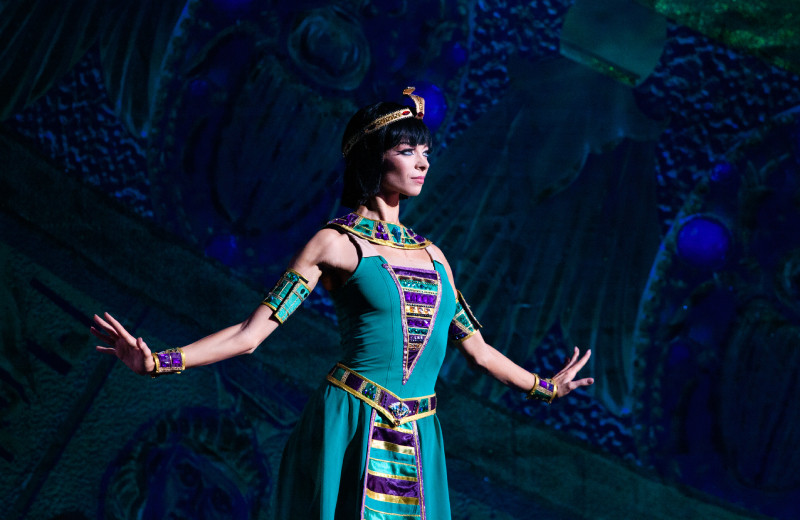
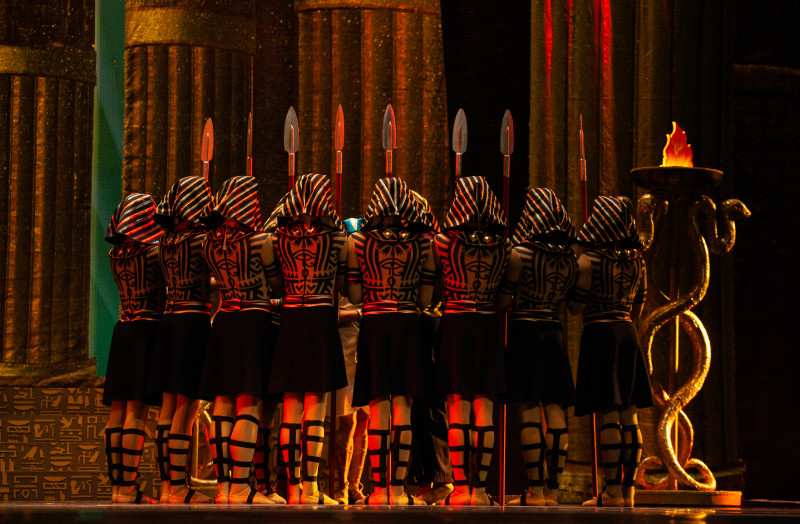
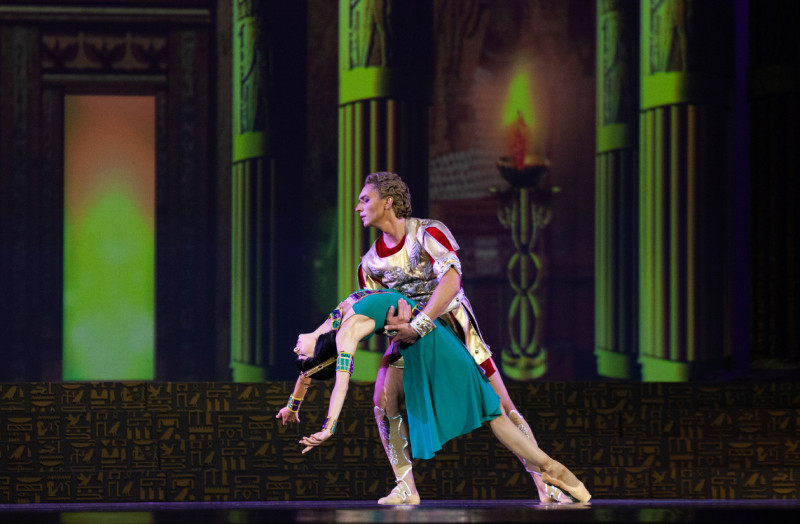
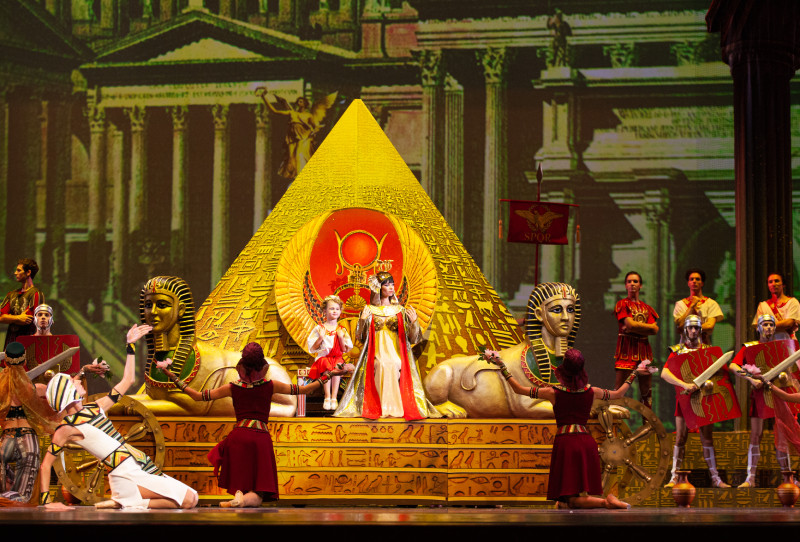
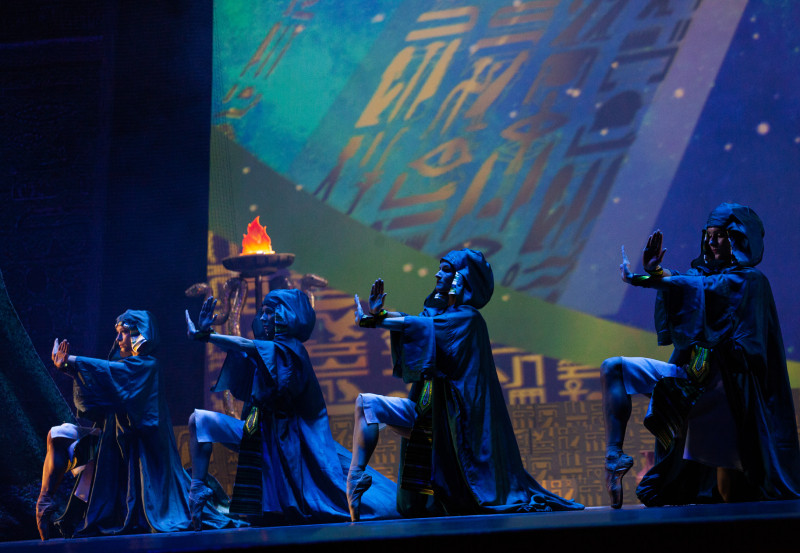
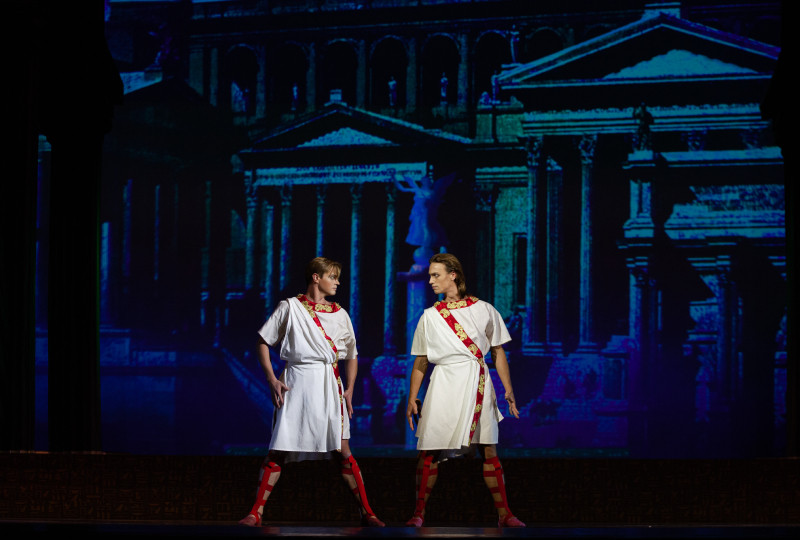
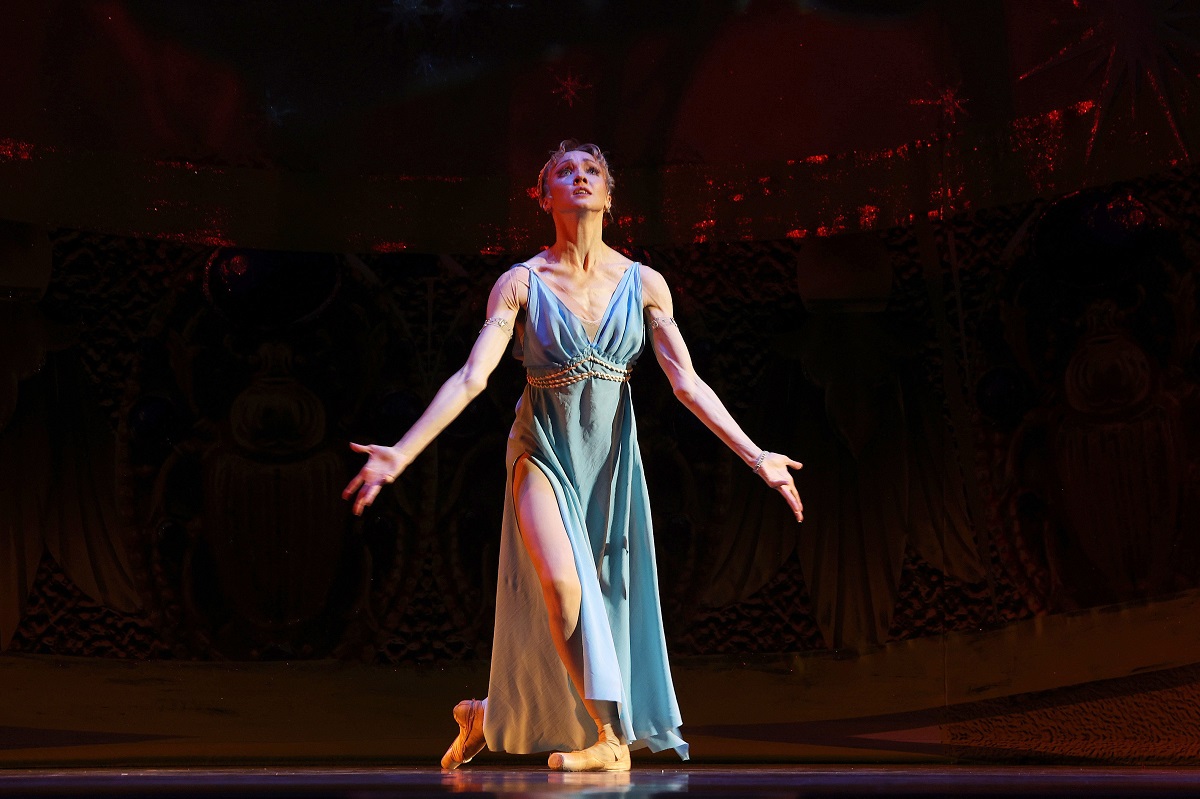
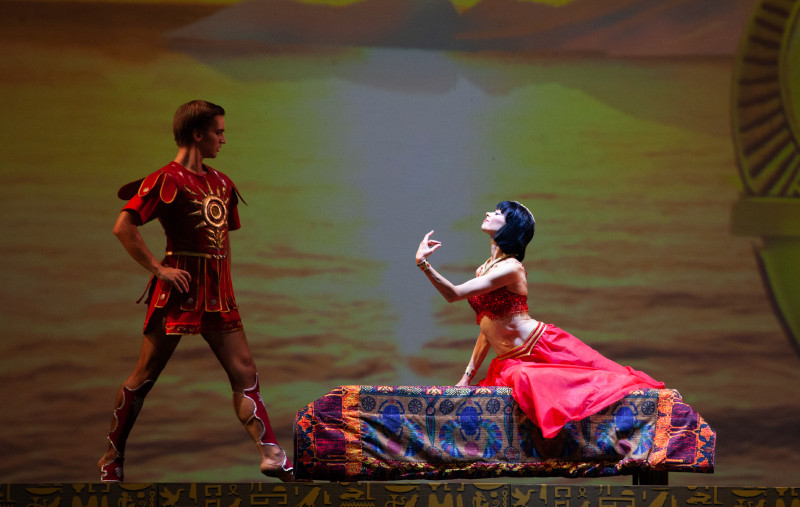
The performance has 1 intermission Running time: 2 hours At the heart of Moscow, within the iconic State Kremlin Palace, the Kremlin Ballet Theatre unveils the exotic and dramatic ballet Cleopatra. Its performers, many trained in the same world-renowned academies as the stars of the Bolshoi Theatre, bring precision, flair, and commanding stage presence to every scene. Cleopatra captivates with its sumptuous sets, vibrant costumes, and dynamic choreography, transporting audiences to the grandeur of ancient Egypt. Passion, intrigue, and powerful ensemble dances converge in a strikingly theatrical spectacle, revealing the timeless allure of classical ballet fused with rich storytelling. Libretto by Andrey Petrov The ballet Cleopatra by V. Kachesov, staged by the founder of the Kremlin Ballet, People's Artist of Russia Andrey Petrov, is a vivid, dramatic, and often unexpectedly compelling spectacle. It captivates both lovers of ancient history and admirers of Cleopatra – one of the most charismatic and enigmatic figures in world history. The last queen of Hellenistic Egypt, from the Macedonian Ptolemaic dynasty, is widely remembered for her famous romances – first with Gaius Julius Caesar, then with the Roman general Mark Antony. Yet Cleopatra was far more than a mesmerizing seductress; she was a remarkable ruler who carefully safeguarded the prosperity and independence of her country. It is precisely this aspect of her life that the choreographer emphasizes. Petrov explains his vision of Cleopatra: The ballet unfolds alternately in Alexandria, within the famed Ptolemaic Palace, and in Rome, where Caesar, triumphant, brings Cleopatra and her son Caesarion – and ultimately falls victim to conspirators. Spectators witness grandiose tableaux of battles, ceremonial processions, and royal banquets, as well as mystical episodes in which Cleopatra appeals to the gods of Egypt for guidance and insight into the future. The emotional core of the ballet lies in the exquisitely choreographed love duets between Cleopatra and her two great lovers. Caesar and Antony are entirely different partners, and Petrov employs distinct, carefully crafted expressive movements to convey the nuances of each relationship convincingly. The finale of Cleopatra’s story, though tragic, is far from conventional. Petrov offers a deeply philosophical conclusion, reflecting on the enduring values of the world and inviting the audience to consider what truly constitutes human triumph versus defeat. SynopsisAct One Scene 1: Prologue and Throne In the beams of light, the Sphinx comes to life – a symbol of strength and mystery of the East. From its shadow appears Cleopatra, Queen of Egypt. On a double throne sits Ptolemy XIII, her younger brother, in conflict with Cleopatra. The High Priest Ur Pofin and courtiers conspire against her. An attempt to poison Cleopatra fails, and she flees the city. Scene 2: Quay by the Fortress Julius Caesar, leading his Roman legions, advances on the rebellious Pompey. The Egyptians present Pompey’s head to Caesar. Caesar is shocked by the cruelty of Ptolemy and the courtiers but agrees to remain in the palace to restore order. Scene 3: Ptolemy XIII’s Palace Cleopatra emerges from a gift carpet. Caesar is captivated by her beauty and grace. Cleopatra warns him about the conspiracy of Ur Pofin and Achilla. Egyptians attack the palace, but Roman troops repel the assault. Ptolemy escapes, the conspirators are defeated, and Cleopatra is crowned queen. Scene 4: Love Caesar is enchanted by Cleopatra and delays his return to Rome, mesmerized by her dance and charm. Scene 5: Temple of Isis Cleopatra performs sacred rites in the Temple of Isis, appealing to the Egyptian gods to strengthen her alliance with Caesar and secure Egypt’s independence. She receives a foreboding vision of the future. Scene 6: Birth of the Heir The birth of Caesarion, heir to the Egyptian throne and future ruler of Rome. Caesar is filled with joy and awe. Act Two Scene 1: Triumph Caesar returns to Rome after the Egyptian campaign. The people and senators greet him. Cleopatra and Caesarion stand atop a golden pyramid, symbolizing the wealth and power brought from the East. Caesar unveils a statue of Cleopatra at the heart of Rome. Scene 2: Conspiracy in Rome Several senators conspire to assassinate Caesar, angered by Cleopatra’s influence and his closeness to her. Brutus and Cassius, under the pretext of defending democracy, carry out the murder. Even in death, Caesar instills fear in his enemies. Octavian and Antony swear vengeance. Cleopatra flees to Egypt with her son. Scene 3: Mourning In Cleopatra’s chambers, the courtiers attempt to entertain her, but she is consumed by grief over Caesar’s death. Scene 4: Divination In the Temple of Isis, Cleopatra performs mystical rituals to foresee the future. Her vision is interrupted by a messenger delivering news from Rome. Scene 5: Reunion At the Tarsus waterfront, Roman legions stand ready. Antony, commander of the Roman army, awaits Cleopatra. She arrives on a lavish ship. The meeting awakens deep passion in Antony. Unable to resist, he boards Cleopatra’s ship and sails to Alexandria, leaving his troops bewildered. Scene 6: Feast The lovers enjoy banquets and entertainments. Cleopatra, like a skillful courtesan, indulges Antony’s desires while consolidating her political power. Suddenly, a message from Octavian orders Antony to return to Rome immediately. Scene 7: Rome Octavian, as Caesar’s heir, accuses Antony of neglecting Rome’s interests. Antony must marry Octavian’s sister, Octavia, for political reasons, but his heart remains with Cleopatra. Scene 8: Second Marriage Antony reunites with Cleopatra. Their wedding is celebrated in Egypt. The people rejoice. Scene 9: Senate Octavian and the Senate declare war on Egypt, Cleopatra, and Antony. Octavia is devastated by unrequited love. Scene 10: After the Feast Antony indulges in banquets. News of war terrifies him, but duty calls. Scene 11: Naval Battle Cleopatra and her entourage watch the sea battle from the palace. Antony is defeated but, despite severe wounds, reaches the palace. Scene 12: Death of Antony and Cleopatra Antony is mortally wounded; Cleopatra mourns him and ultimately ends her life using a venomous snake. Scene 13: Romans Storm the Palace Roman forces enter the palace but see Antony and Cleopatra departing into eternity, dressed as Egyptian monarchs. Octavian conquers Egypt but fails to subdue the proud and magnificent queen. | |||||||||||