
Stanislavsky Theatre
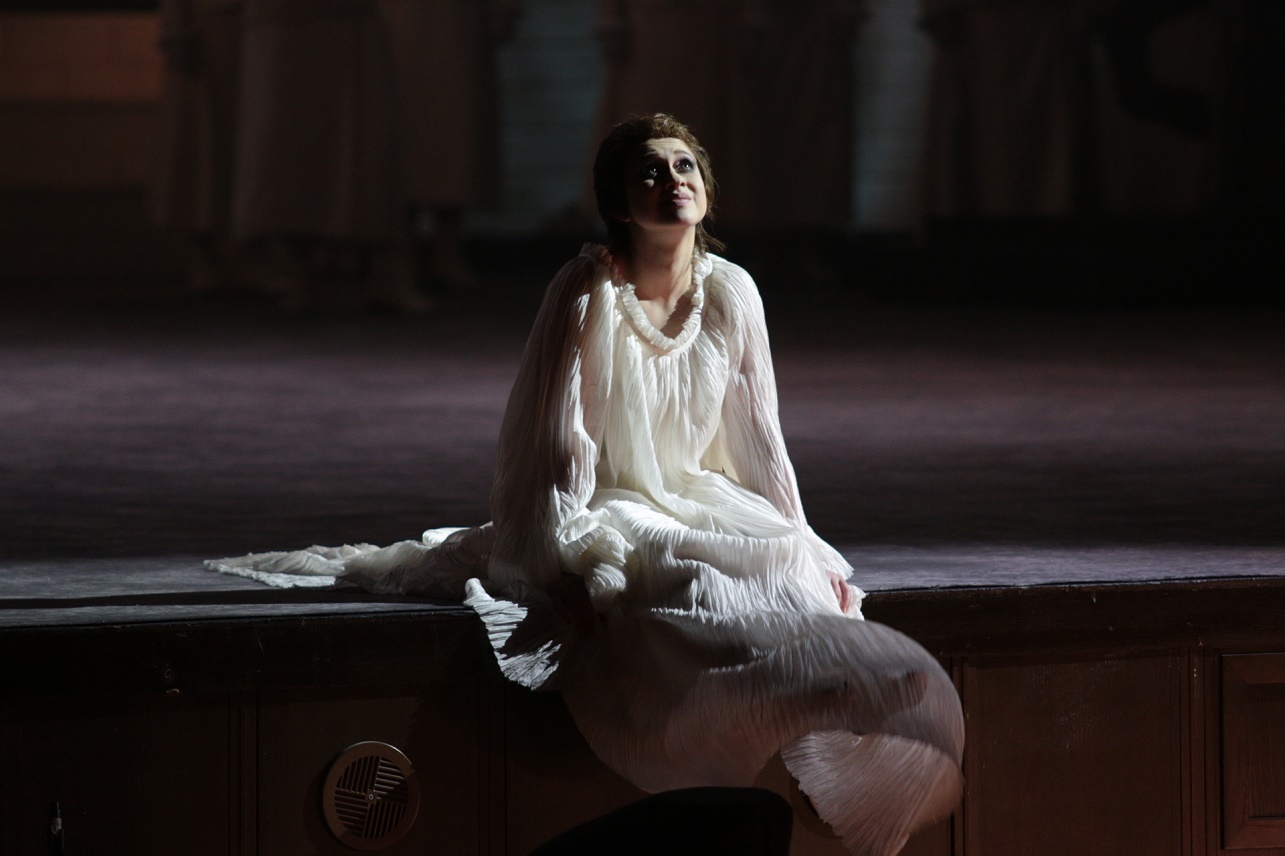
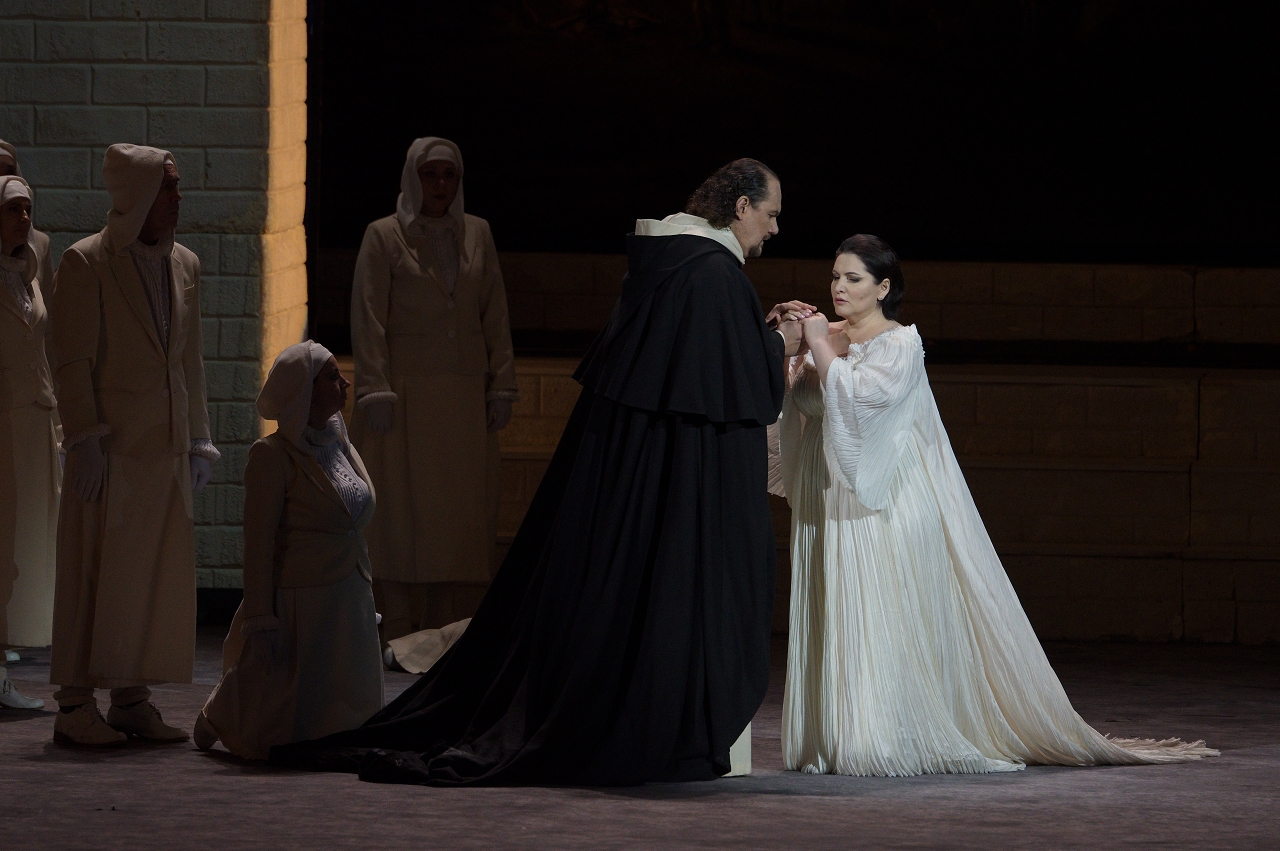
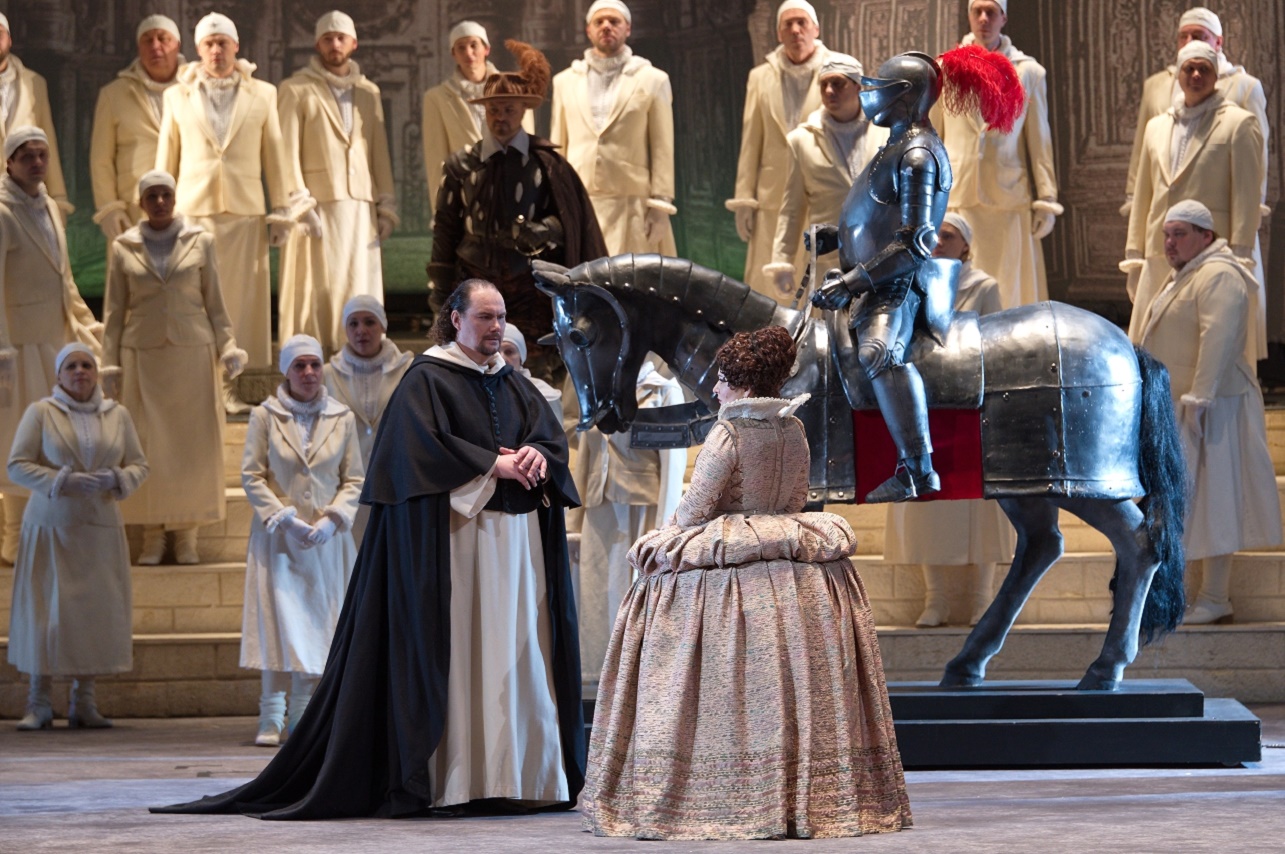
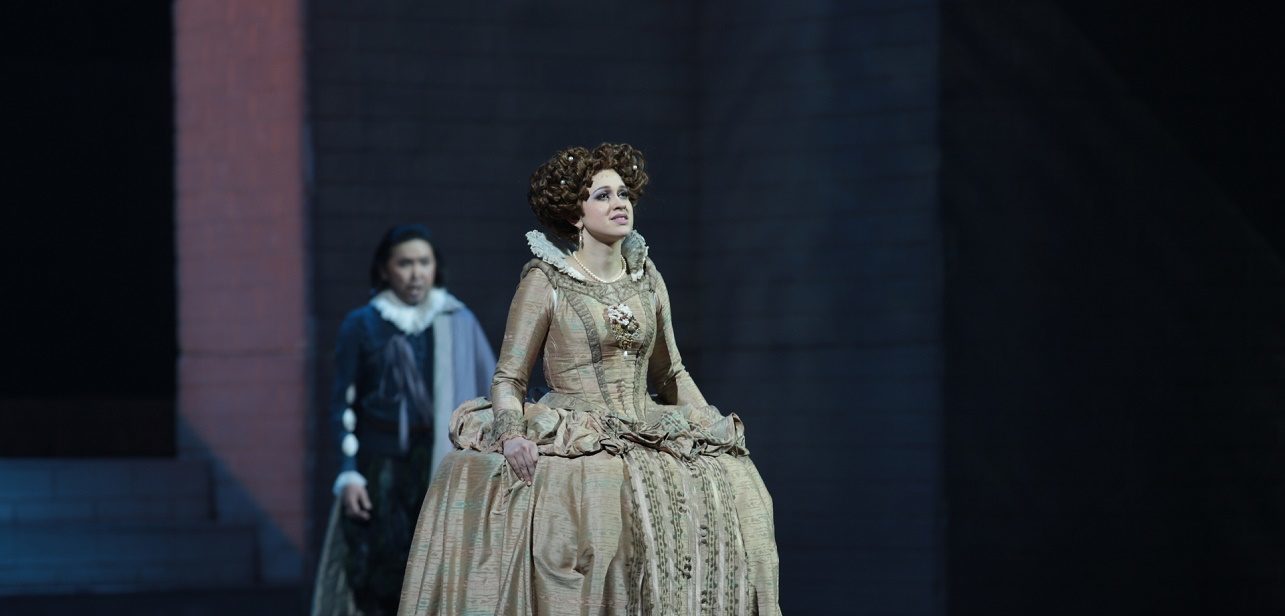
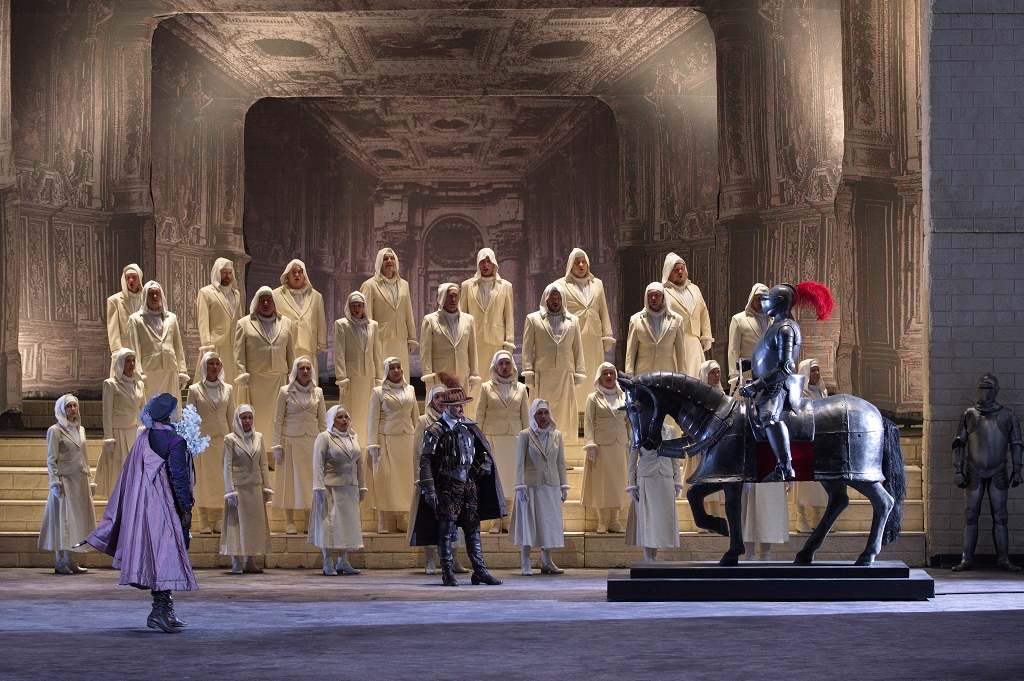
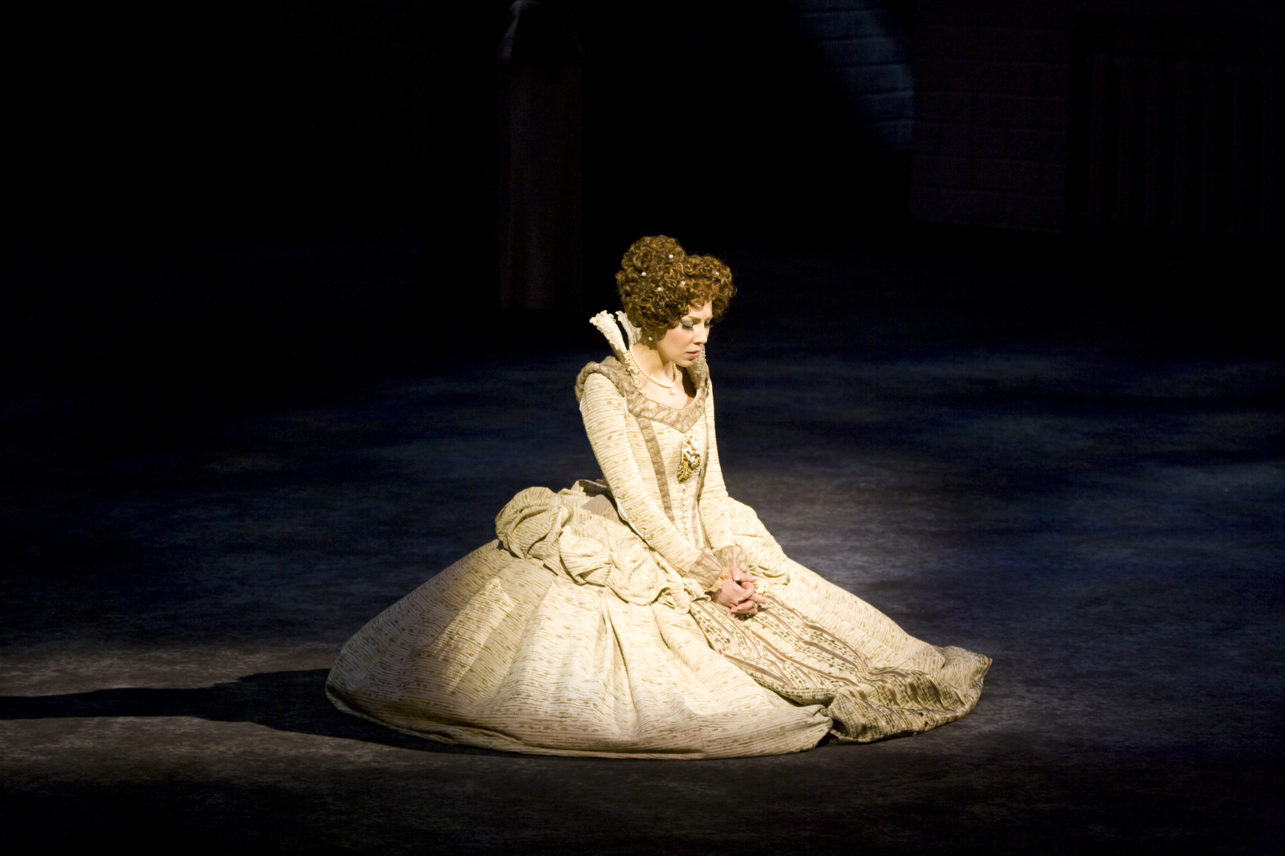
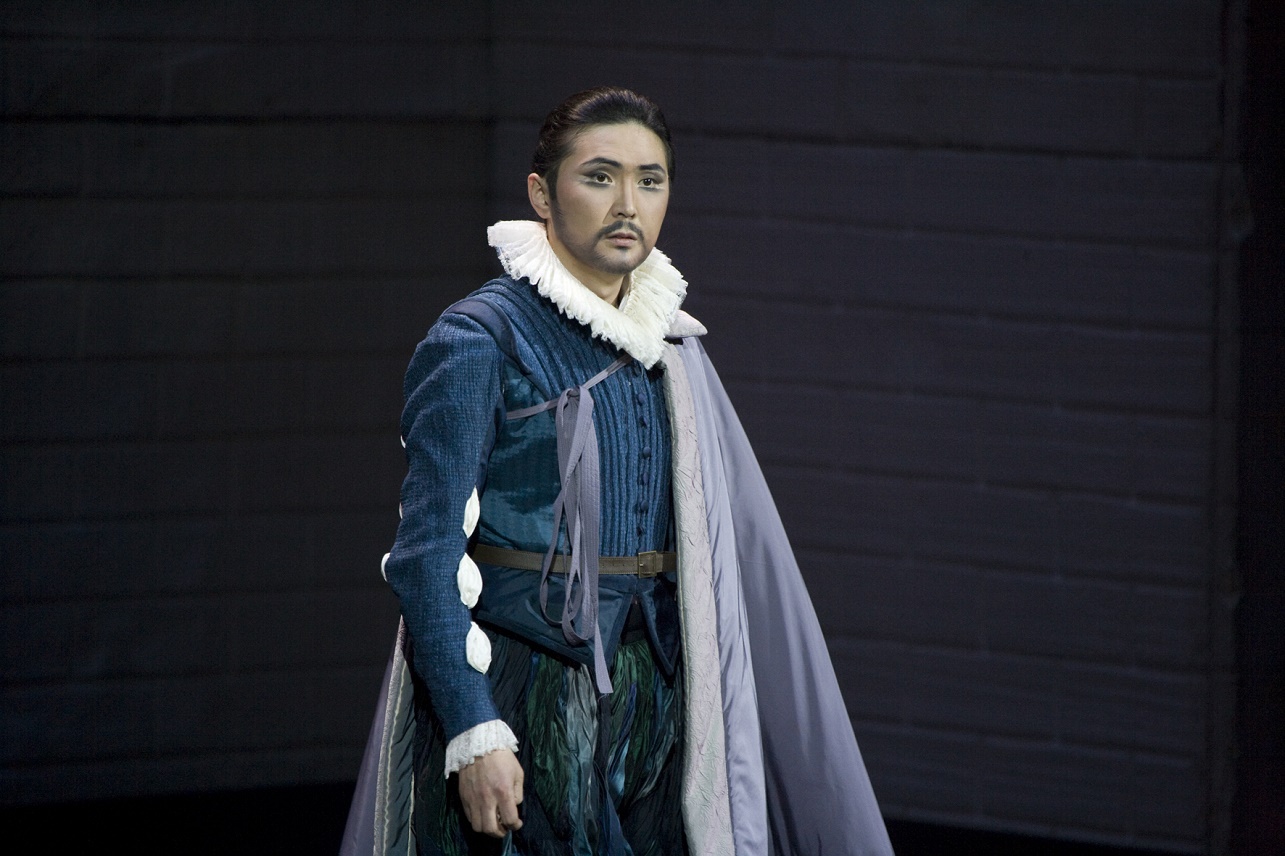
Performed in Italian Premiere of this production: 13 Feb 2009 The performance has 1 intermission Running time: 2 hours 50 minutes The Stanislavsky and Nemirovich-Danchenko Music Theatre, located just 750 metres from the Bolshoi Theatre, proudly presents Gaetano Donizetti’s timeless masterpiece Lucia di Lammermoor. This production features acclaimed artists who have performed on the stage of the Bolshoi Theatre and trained at the same distinguished academies, ensuring the finest traditions of Russian vocal excellence shine through every note. Premiered in 1835 at Naples’ Teatro di San Carlo, the opera was inspired by Walter Scott’s romantic tragedy The Bride of Lammermoor — a story that fascinated Donizetti not only for its dramatic power but also for personal reasons: one of his ancestors, Donald Izett, was Scottish. Despite (or perhaps because of) its breathtaking vocal challenges, Lucia di Lammermoor remains one of the most frequently performed operas worldwide. The first Lucia was the celebrated soprano Fanny Tacchinardi-Persiani, and since then the role has been immortalized by legendary divas such as Adelina Patti, Lily Pons, Joan Sutherland, Maria Callas, Beverly Sills, Renata Scotto, and Edita Gruberová. Today, the world’s leading sopranos continue to test their artistry against Lucia’s dazzling coloratura heights, while tenors compete for equal glory in Donizetti’s soaring final passages. Filled with unforgettable melodies, fiery passions, and the timeless struggle between love and hatred set against the haunting backdrop of a Scottish castle, Lucia di Lammermoor stands as a cornerstone of operatic art. SynopsisAct I Armed guards are searching for a mysterious stranger hiding near Ravenswood Castle. This secret troubles Lord Enrico, head of the Ashton family. He fears Edgardo of Ravenswood, whose father was killed and whose family was driven from their ancestral home. To secure the favor of the new monarch on the throne, Enrico plans to marry his sister Lucia to Lord Arturo Bucklaw, a noble close to the king. But Lucia refuses to marry. The captain of the guard, Normanno, reports that Lucia has often been seen meeting an unknown man—perhaps Edgardo himself. When the soldiers return, they confirm that the stranger is indeed Edgardo. Enrico is furious. Lucia, with her faithful companion Alisa, awaits Edgardo by the fountain. Lucia tells Alisa she once saw the ghost of a girl who was killed there long ago by a jealous ancestor of the Ravenswoods. Alisa warns Lucia to beware. Edgardo arrives—he must soon leave, but before his departure he wishes to make peace with his enemy, Lord Enrico, and ask for Lucia’s hand in marriage. Lucia begs him to keep their love secret, fearing that her brother’s vengeful nature will prevent reconciliation and lead to bloodshed. Before leaving, Edgardo gives Lucia a ring, asking her to remain faithful to him. Act II Enrico awaits the guests invited to Lucia’s wedding to Lord Arturo Bucklaw. He prays that his sister will not defy him. Enrico shows Lucia a forged letter that seems to prove Edgardo’s infidelity. Crushed by grief and deceived by her brother’s persuasion, Lucia loses the strength to resist. The wedding feast begins. The guests greet the arrival of the groom with joy—after all, the Ashton family expects his influence at court to restore their fortunes. Lucia enters, pale and lifeless, and signs the marriage contract. Suddenly, Edgardo bursts into the hall. Seeing the contract, he believes he has proof of Lucia’s betrayal. Refusing to listen to her explanations, he curses his faithless beloved. Lucia faints. Act III Night. A storm rages. Edgardo is lost in dark thoughts. Enrico appears and challenges him to a duel—they will meet at dawn. Meanwhile, the wedding guests continue to celebrate in the castle, but the festivities are interrupted by Raimondo, who announces that Lucia has gone mad and killed her husband. Lucia enters, delirious. She imagines she is still Edgardo’s bride, living in a blissful dream—but soon the illusion fades, and she remembers his curse. Desperate and broken, she longs for death. At the Ravenswood tomb, Edgardo awaits his opponent. He is ready to face death calmly—life has no meaning without Lucia. From the guests rushing out of the castle, he learns of the tragedy. Edgardo runs to see Lucia one last time, but it is too late—she is dead. In despair, he takes his own life. Lucia di Lammermoor is a dramma tragico (tragic opera) in three acts by Gaetano Donizetti. Salvadore Cammarano wrote the Italian language libretto loosely based upon Sir Walter Scott's historical novel The Bride of Lammermoor. Donizetti wrote Lucia di Lammermoor in 1835, a time when several factors led to the height of his reputation as a composer of opera. Gioachino Rossini had recently retired and Vincenzo Bellini had died shortly before the premier of Lucia leaving Donizetti as "the sole reigning genius of Italian opera". Not only were conditions ripe for Donizetti's success as a composer, but there was also a European interest in the history and culture of Scotland. The perceived romance of its violent wars and feuds, as well as its folklore and mythology, intrigued 19th century readers and audiences. Sir Walter Scott made use of these stereotypes in his novel The Bride of Lammermoor, which inspired several musical works including Lucia. The story concerns the emotionally fragile Lucy Ashton (Lucia) who is caught in a feud between her own family and that of the Ravenswoods. The setting is the Lammermuir Hills of Scotland (Lammermoor) in the 17th century. © wikipedia Libretto © wikipedia | ||||||||||