
New Stage
The performance has 1 intermission Running time: 2 hours "This Russian dancemaker and his dancers are among the most fascinating artists before the public today" (San Francisco Chronicle). A ballet by Boris Eifman Premiere: December 28, 2018
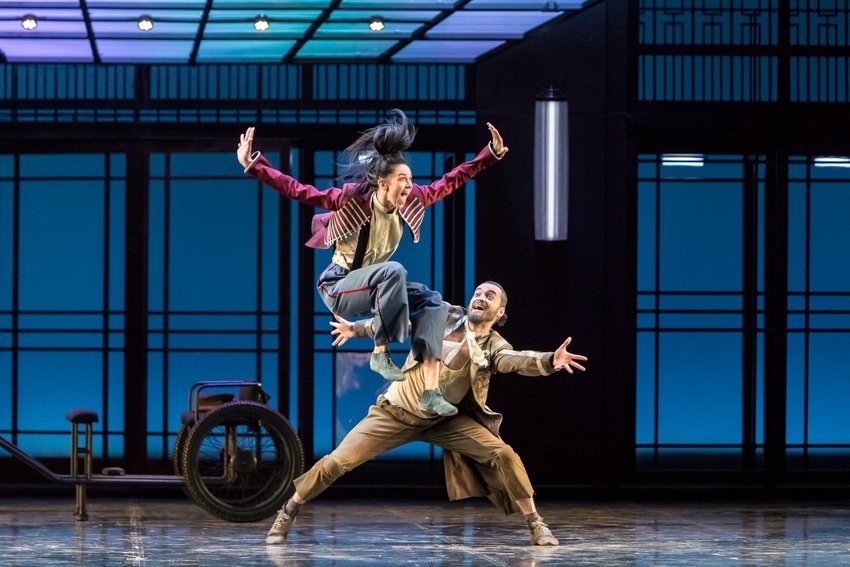
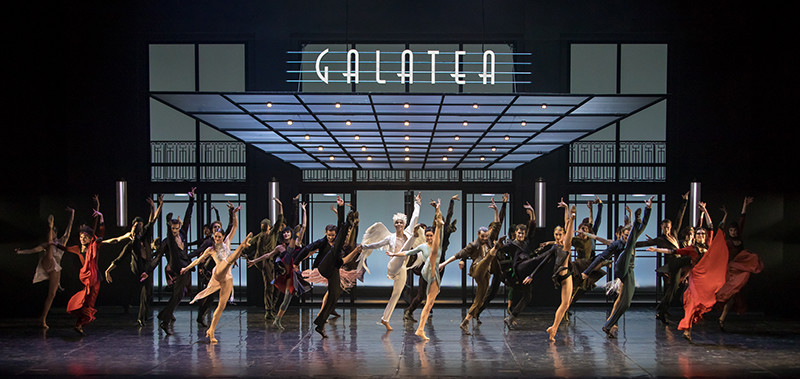
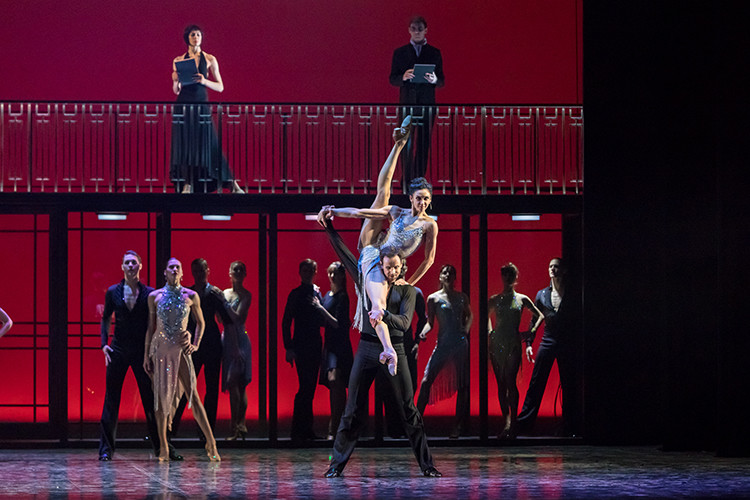
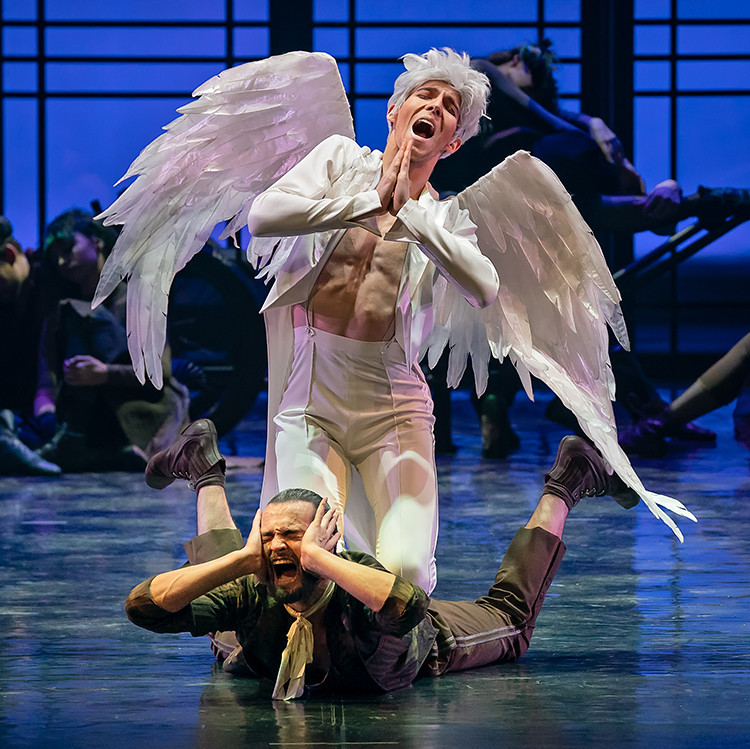
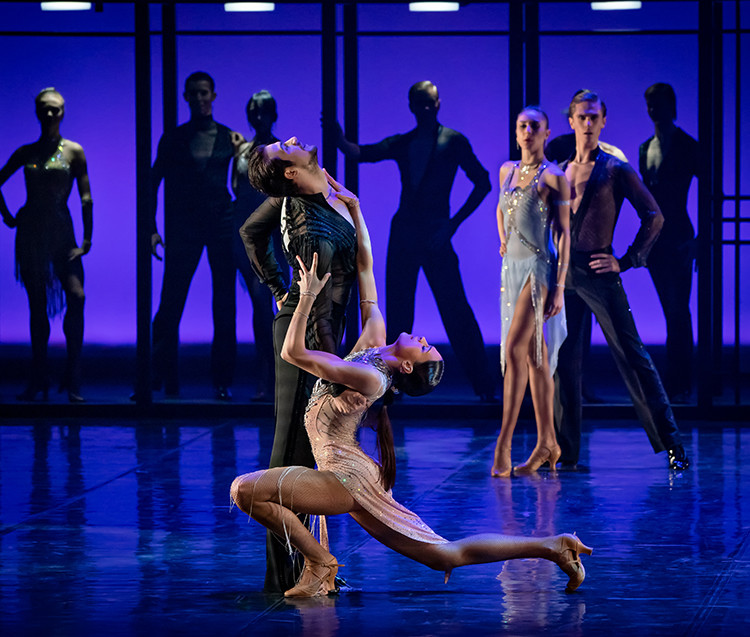
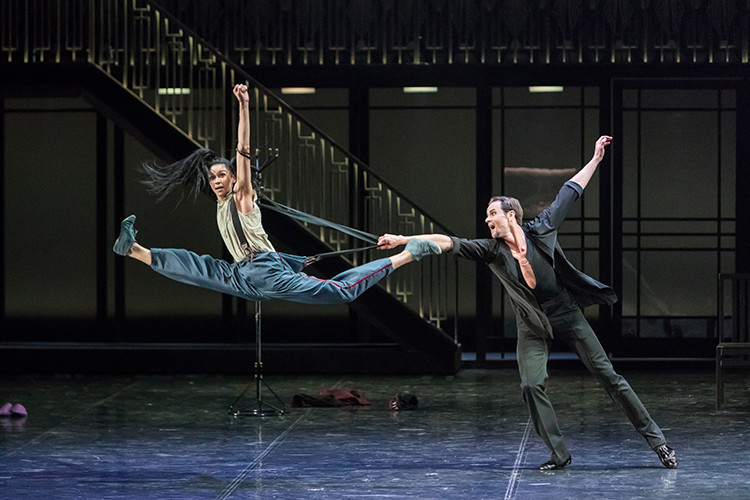
Ballet production “The Pygmalion Effect” is Boris Eifman’s first endeavour in almost twenty years to work in the genre of comedy or, more accurately, tragicomedy – the form which the choreographer has perfected. As he once again finds inspiration in the world cultural heritage, this time Eifman offers his interpretation not of a literary masterpiece or a dramatic chronicle of a historic figure, but the archetypical story of Pygmalion, the sculptor who fell in love with his creation, a statue of a beautiful young woman. In the ballet plot the role of the tempestuous creator falls to a successful ballroom dancer who faces the challenge of “sculpting” a virtuoso performer from a clumsy common girl he has come across. Internal and external transformation of the heroine will take place against the background of music by Johann Strauss, Jr., known as the “Waltz King”. This is the first time in the choreographer’s prolific creative career that he has used the music of this composer. A tireless scholar of human soul, Boris Eifman chose for the title of his new ballet a term used in studies of psychology, where the phrase “the Pygmalion effect” is defined as a phenomenon whereby others’ expectations influence a person’s behaviour. The Russian premiere of the ballet will take place at the Alexandrinsky Theatre in St Petersburg in the beginning of February. SynopsisAct 1 Gala, the dweller of city outskirts, calls on tourists to enjoy the ride in a carriage driven by her father, Holmes. The life of Leon, a superstar of ballroom dancing, is so much more glamorous. He welcomes the arrival of a new day in his luxurious home surrounded by maids under supervision of stern Greta. Gala is full of admiration as she watches the ballroom dancing tournament. Leon and his partner Tea are the favourites but, sadly, a mistake costs them the victory. Gala rescues Leon from mobsters and makes it into the house of the public’s darling. Holmes, who is trying to blackmail the celebrity, also manages to get inside. Gala rushes away. Nonetheless, her introduction to the unfamiliar and alluring world leaves its mark: a dream to become a dancer and affection for Leon are kindled within the young woman. In the grim suburbs Holmes and his drinking mates are having a wild party. Exhausted, the group goes quiet. In his dream Holmes is visited by a messenger of the Heaven, who bans his favourite pursuits – women and drink. Gala’s appearance in the dance class causes general confusion. Leon makes a bet with the Coach – he will transform this gawky girl into a star. Act 2 Gala is subjected to a gruelling exercise routine. This is not how she envisaged her training. Her body, used to unrefined movement, resists unfamiliar plastic of dance. At a convenient moment the maids kick the hateful “savage” out of Leon’s house. Holmes alternates between going rogue and preaching sobriety and chastity. Leon locates dispirited Gala and tempts her with the images of her future triumph. Torturous practice starts again. But Leon’s handling methods are not working. The only solution is to resort to modern technology, which turns Gala into a mechanical dancing doll. Tea steals the partner from one of the competing female dancers. Leon brings Gala into the dance class. Everyone is struck by her transformation, and congratulations go to the tutor whilst the pupil is ignored. The girl is filled with fury. The support of the Coach helps Gala to recognize her own talent. Gala and Leon make up and win the tournament. But separation is inevitable. Leon cannot forget his partner’s past. Slum dwellers pay tribute to their queen. But Gala can only think about Leon, with whom she is destined to be joined together only in her reverie... | ||||||||||