Stanislavsky Theatre
| 25 January |
| 19:00 |
| 2026 | Sunday |
|
Russian Classical Ballet Stars at the Stanislavski Theatre
Adolphe Adam "Giselle" Ballet in 2 acts Ballet in 2 acts |
|
| Artists |
Credits |
Vernoy de Saint-Georges, Author libretto Théophile Gautie, Author libretto
|
World premiere: 28 Jun 1841 Paris, France The performance has 1 intermission Running time: 2 hours 5 minutes
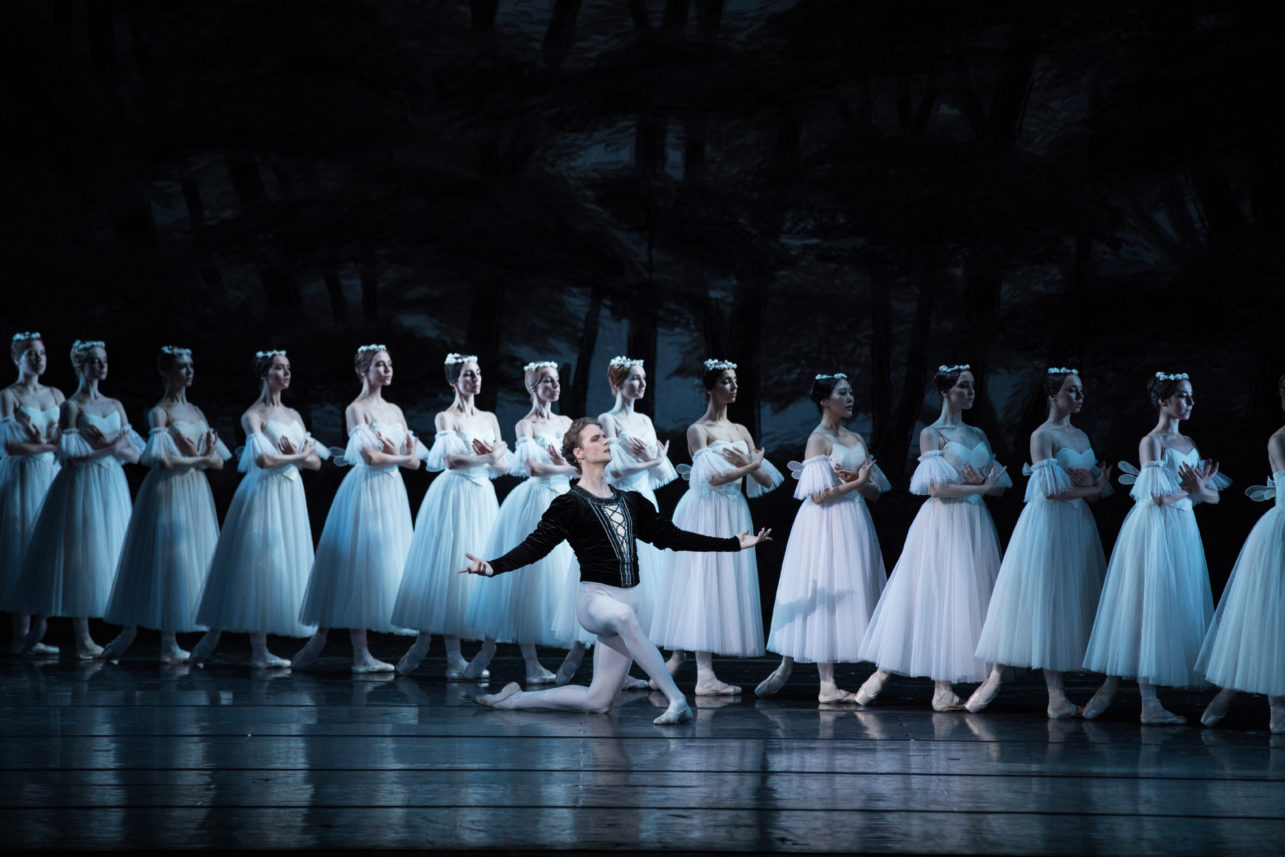
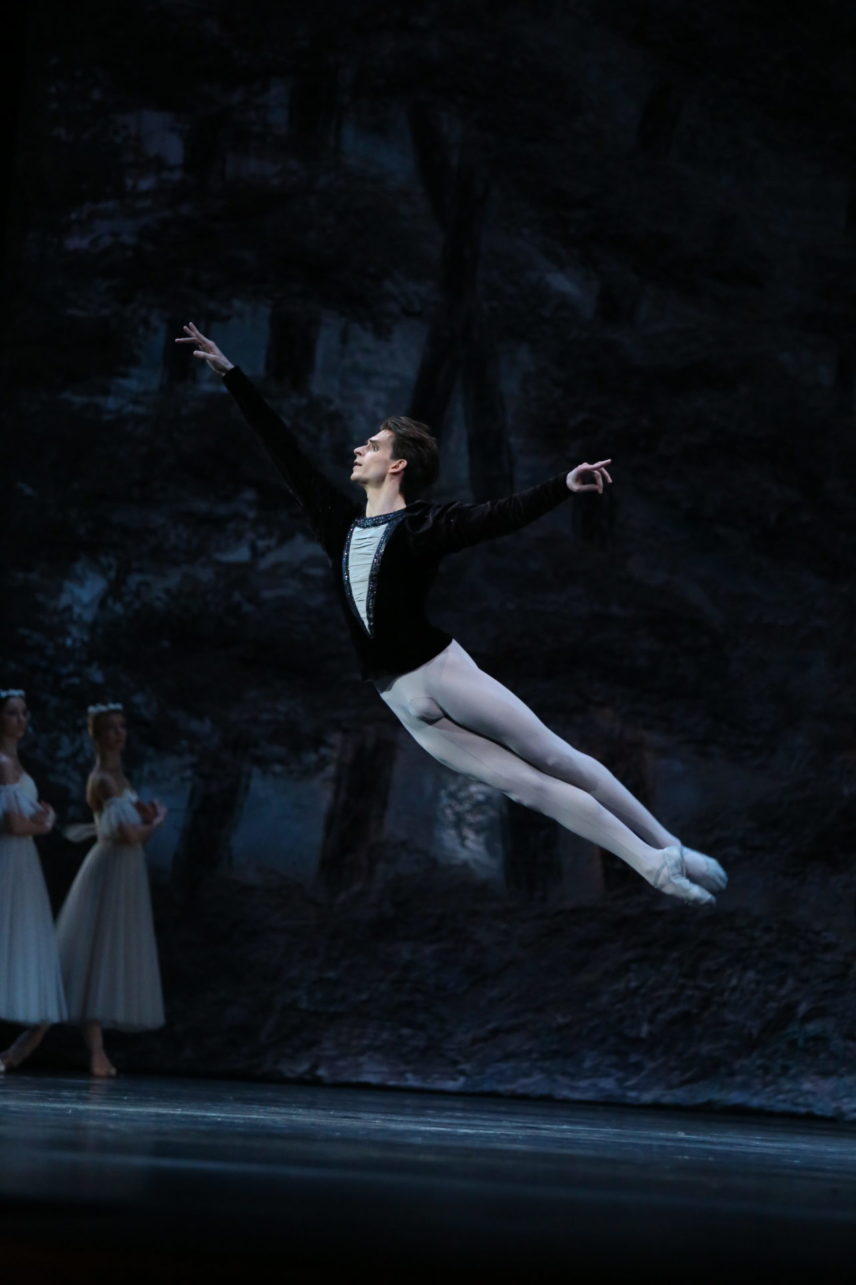
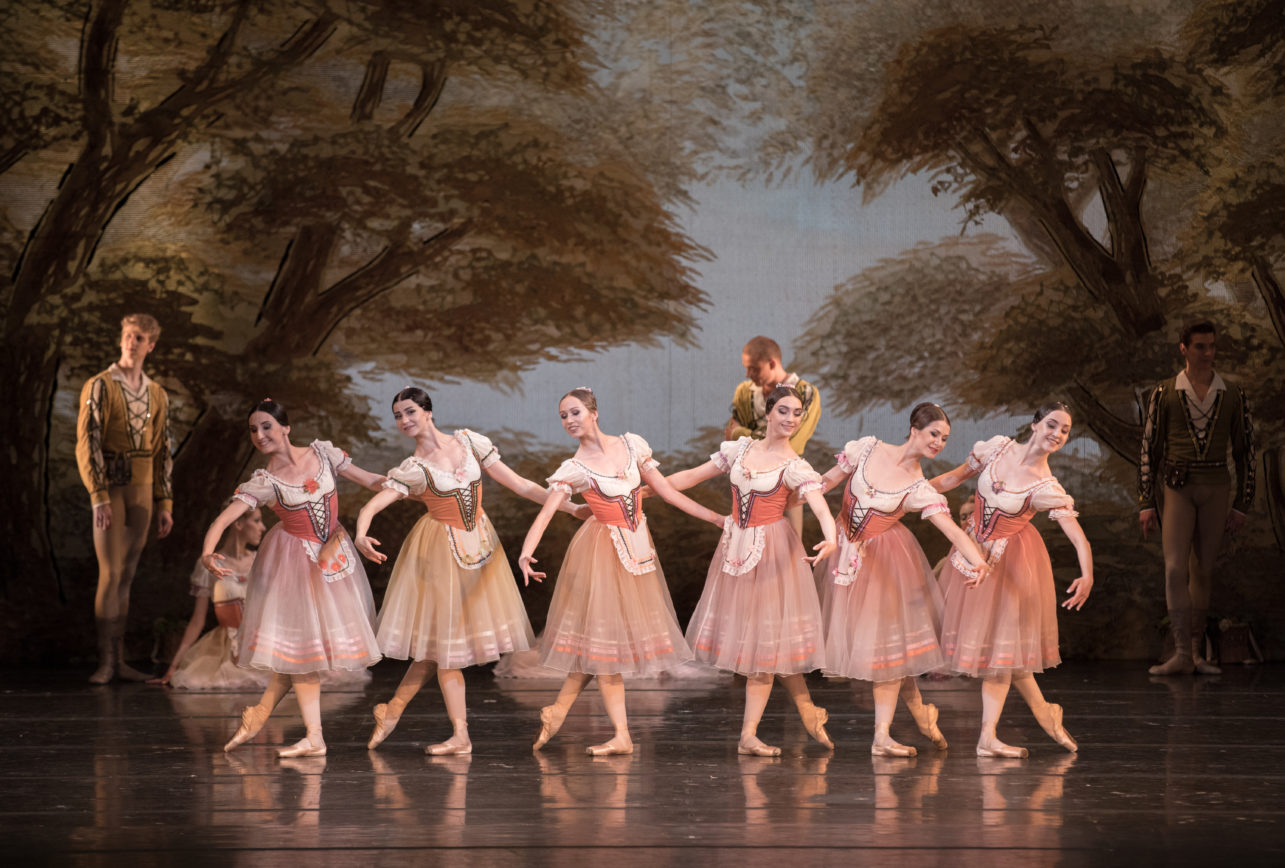
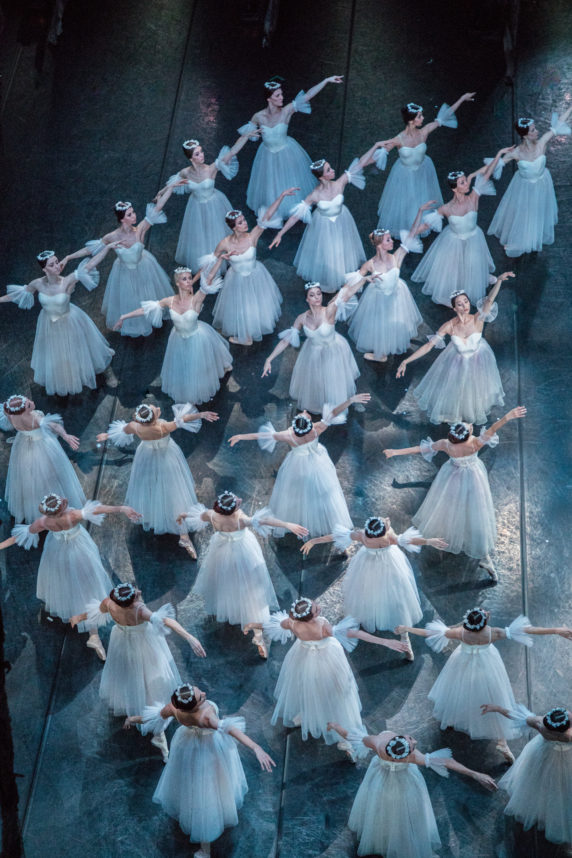
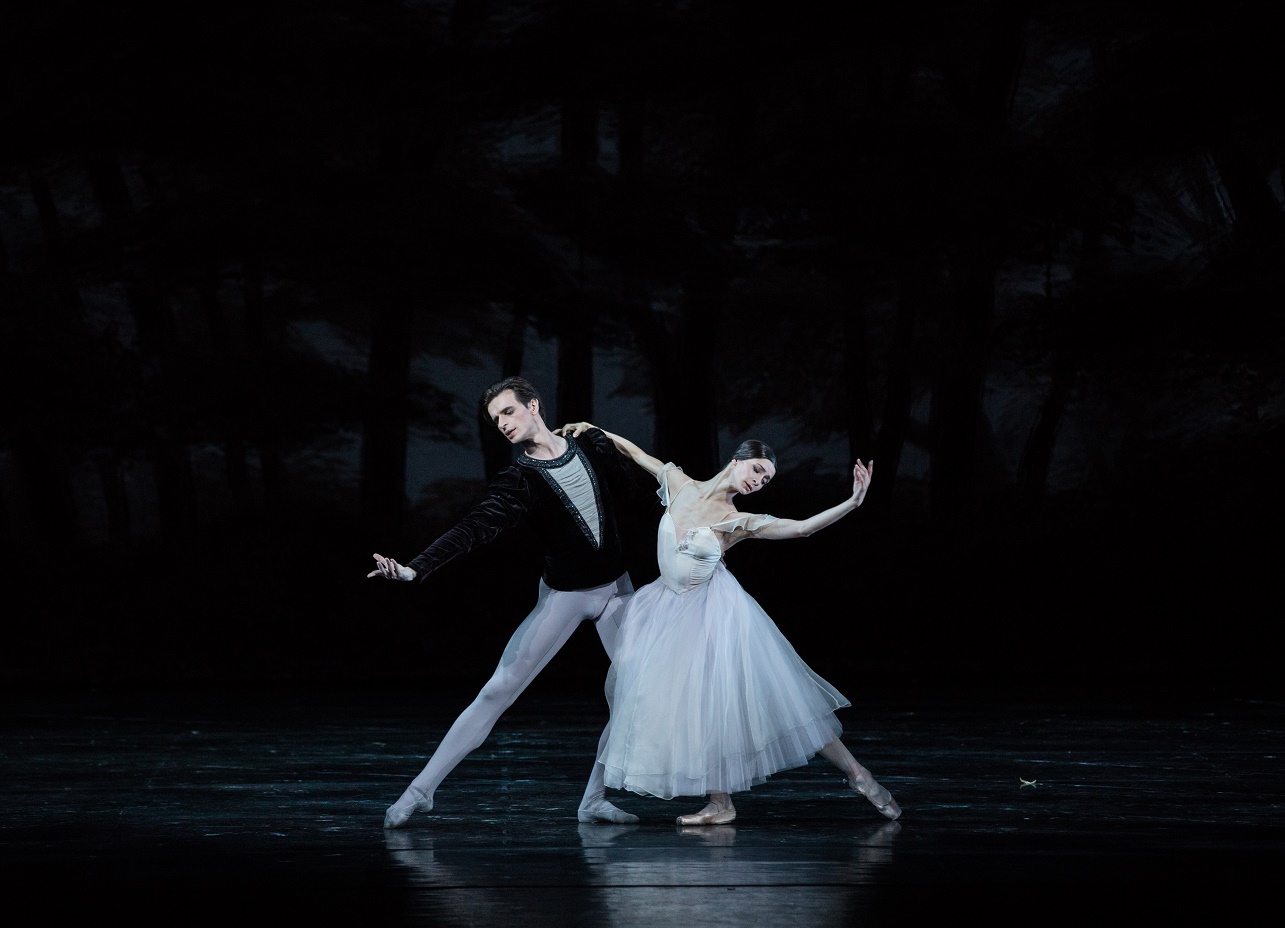
The Stanislavsky and Nemirovich-Danchenko Music Theatre, located just 750 metres from the Bolshoi Theatre, presents Giselle — the pinnacle of 19th-century Romantic ballet and one of the unquestioned masterpieces of the classical repertoire. The production is danced by a company that includes artists who have performed on the stage of the Bolshoi Theatre and who trained in Russia’s leading ballet academies, maintaining the highest standards of classical technique and dramatic interpretation. Inspired by a medieval legend about the wilis — young brides who died before their wedding day and return at night to dance in the moonlight — the ballet contrasts the pastoral reality of the first act with the ethereal, otherworldly realm of the second. The poetic libretto was written by Théophile Gautier, and the score by Adolphe Adam remains one of the most evocative examples of French Romantic ballet music.
At the Stanislavsky and Nemirovich-Danchenko Theatre, Giselle is performed in the choreographic version by Laurent Hilaire.
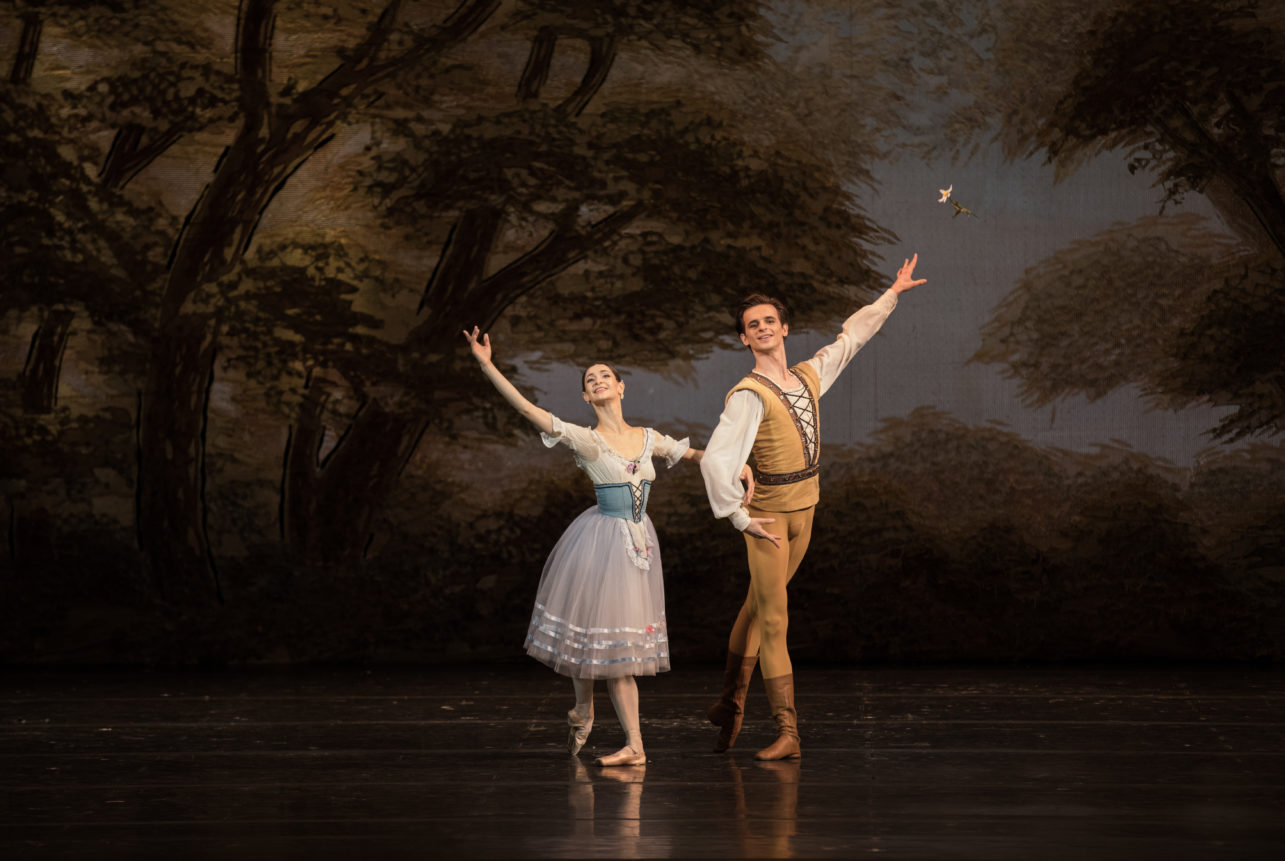
“Classics must be cared for if they are to live,” says Laurent Hilaire. “From time to time it is necessary to restore the internal logic of the performance and renew its emotional clarity. In the first act, I focus particularly on pantomime — it should not be a formality, but a true expressive language. In the second act, the essential task is purity of style: the placement of the arms, the precision of the line, the complete involvement of every dancer. Only then can we truly draw the audience into the world of Giselle.” Giselle (French: Giselle ou les Wilis) is a ballet in two acts with a libretto by Jules-Henri Vernoy de Saint-Georges and Théophile Gautier, music by Adolphe Adam, and choreography by Jean Coralli and Jules Perrot. The librettist took his inspiration from a poem by Heinrich Heine. The ballet tells the story of a peasant girl named Giselle whose ghost, after her premature death, protects her lover from the vengeance of a group of evil female spirits called Wilis (a type of Slavic fairy also spelled Vila, Wila, Wiła, Veela). Giselle was first presented by the Ballet du Théâtre de l'Académie Royale de Musique at the Salle Le Peletier in Paris, France, on 28 June 1841. The choreography in modern productions generally derives from the revivals of Marius Petipa for the Imperial Russian Ballet (1884, 1899, 1903). SynopsisAct I
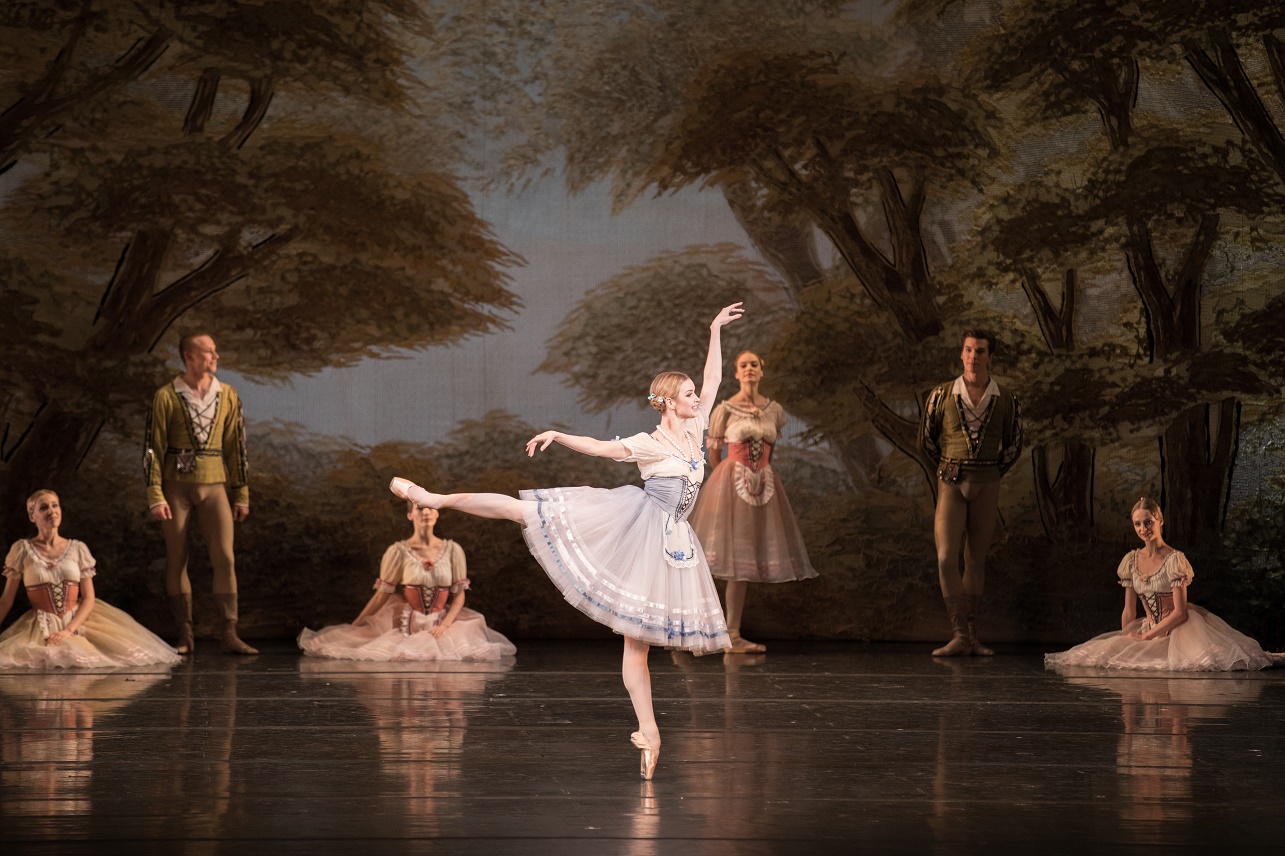
A small, peaceful village, bathed in sunlight. It is inhabited by simple, artless people. Giselle, a young peasant girl, is rejoicing in the sun, the blue sky, the singing of the birds and, most of all, in the happiness of pure, trusting love which has lit up her life. She is in love and is confident that she is loved. The gamekeeper, who is in love with Giselle, tries in vain to persuade her that Albrecht, her loved one, is not a peasant at all but a nobleman in disguise and that he is deceiving her.
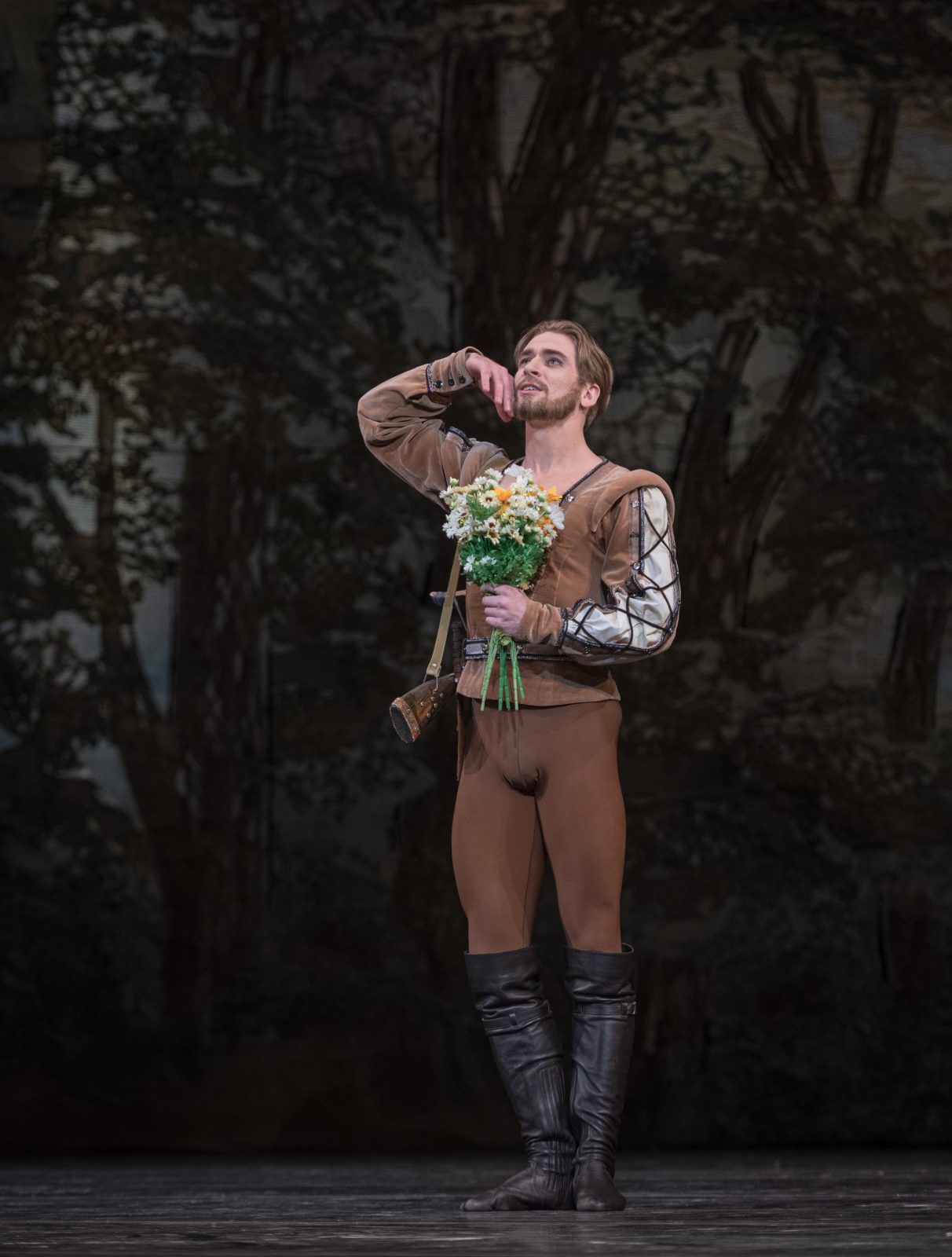
The gamekeeper manages to steal into the cottage which Albrecht is renting in the village and here he finds a silver sword with a coat of arms on it. Now the gamekeeper knows for sure that Albrecht is concealing his noble origins.
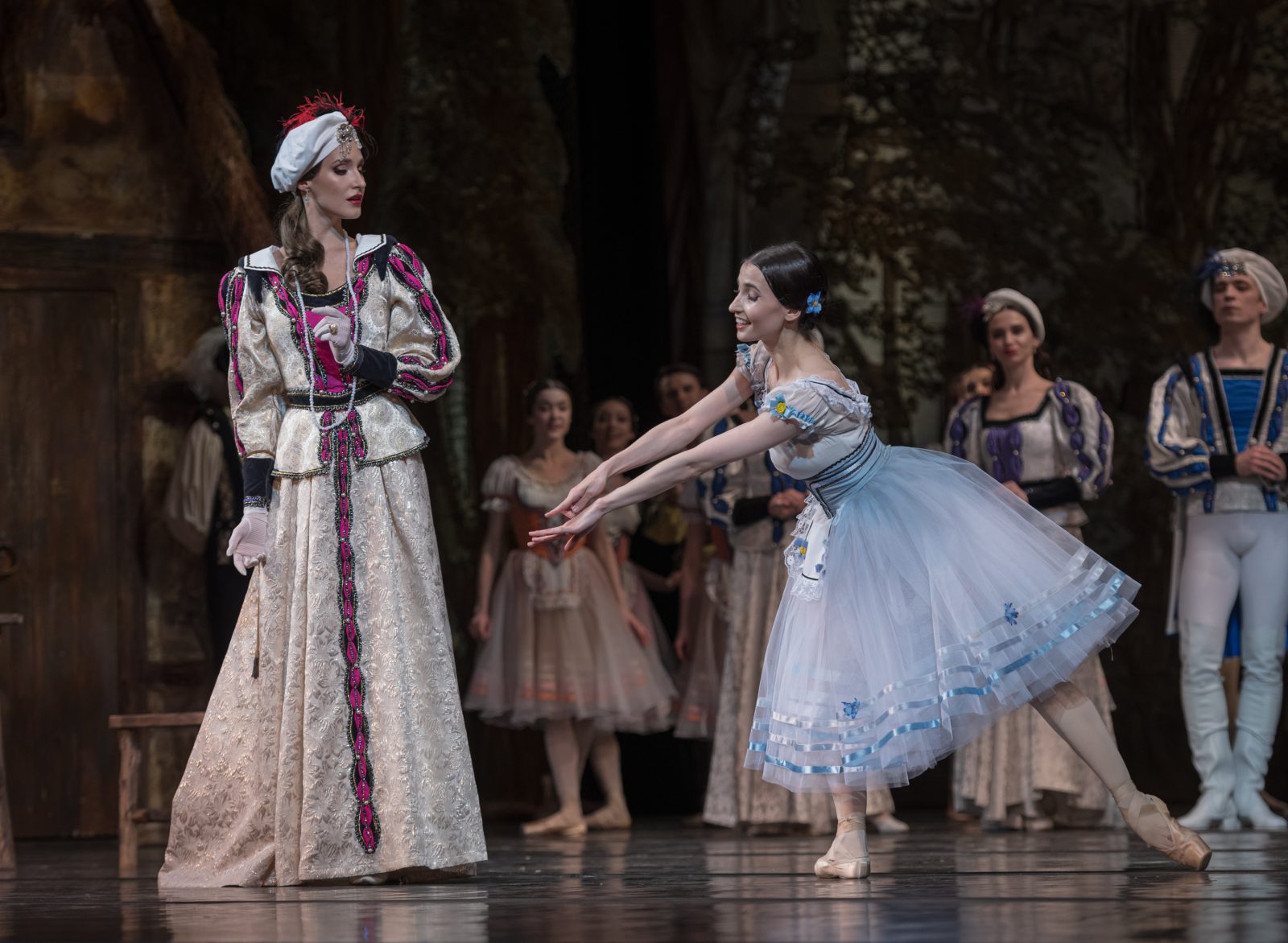
A party of distinguished noblemen, attended by a sumptuous suite, seek rest and refreshment in the village after the hunt. The peasants give their guests a cordial welcome.
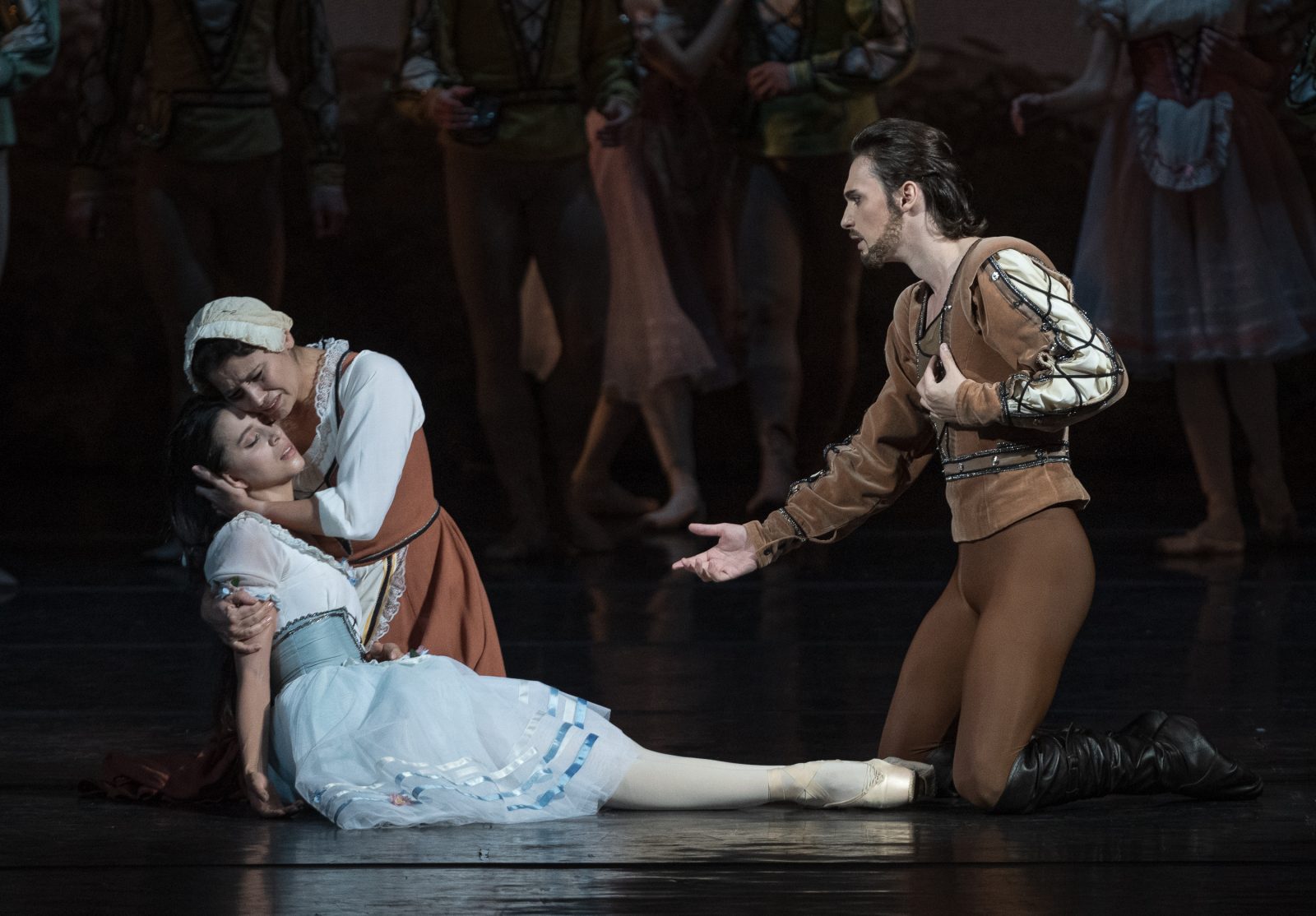
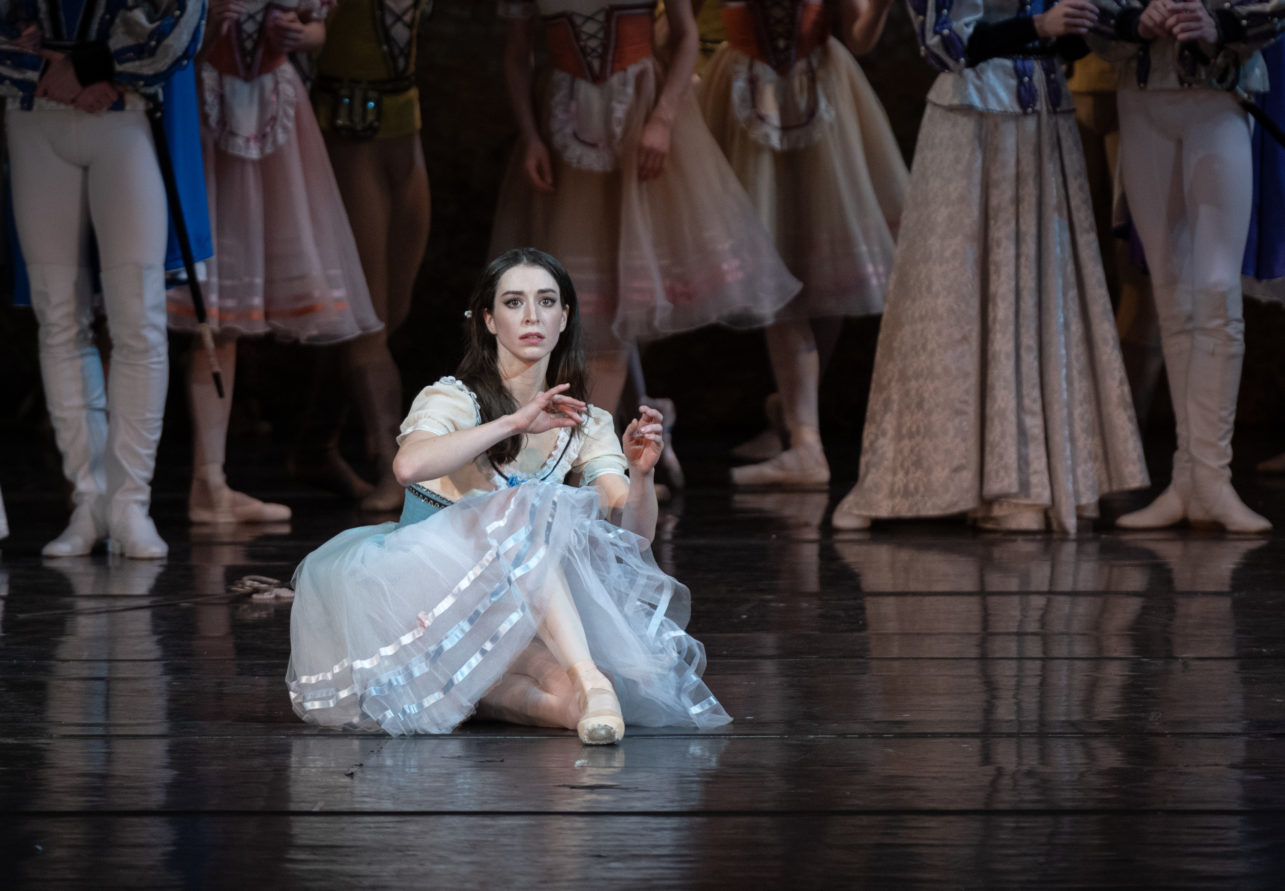
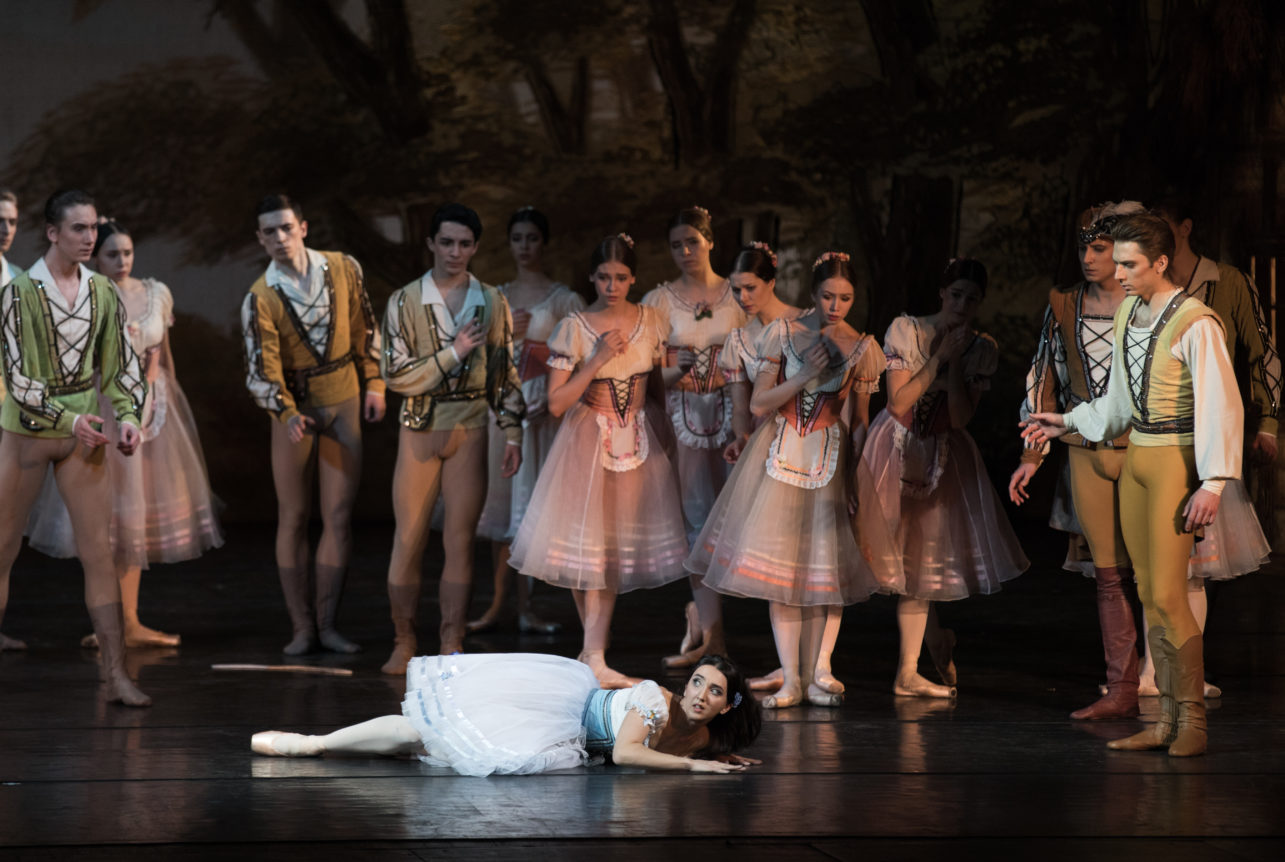
Albrecht is embarrassed by this unexpected meeting: he tries to hide the fact he knows them for, in their company, is his betrothed, Bathilde. Meanwhile the gamekeeper shows everyone Albrecht’s sword and, unmasking him, tells them of the latter’s deceit. Giselle is shocked to the core by the perfidy of her loved one. The pure, crystal-clear world of her faith, hopes and dreams has been destroyed. She goes mad and dies.
Act II
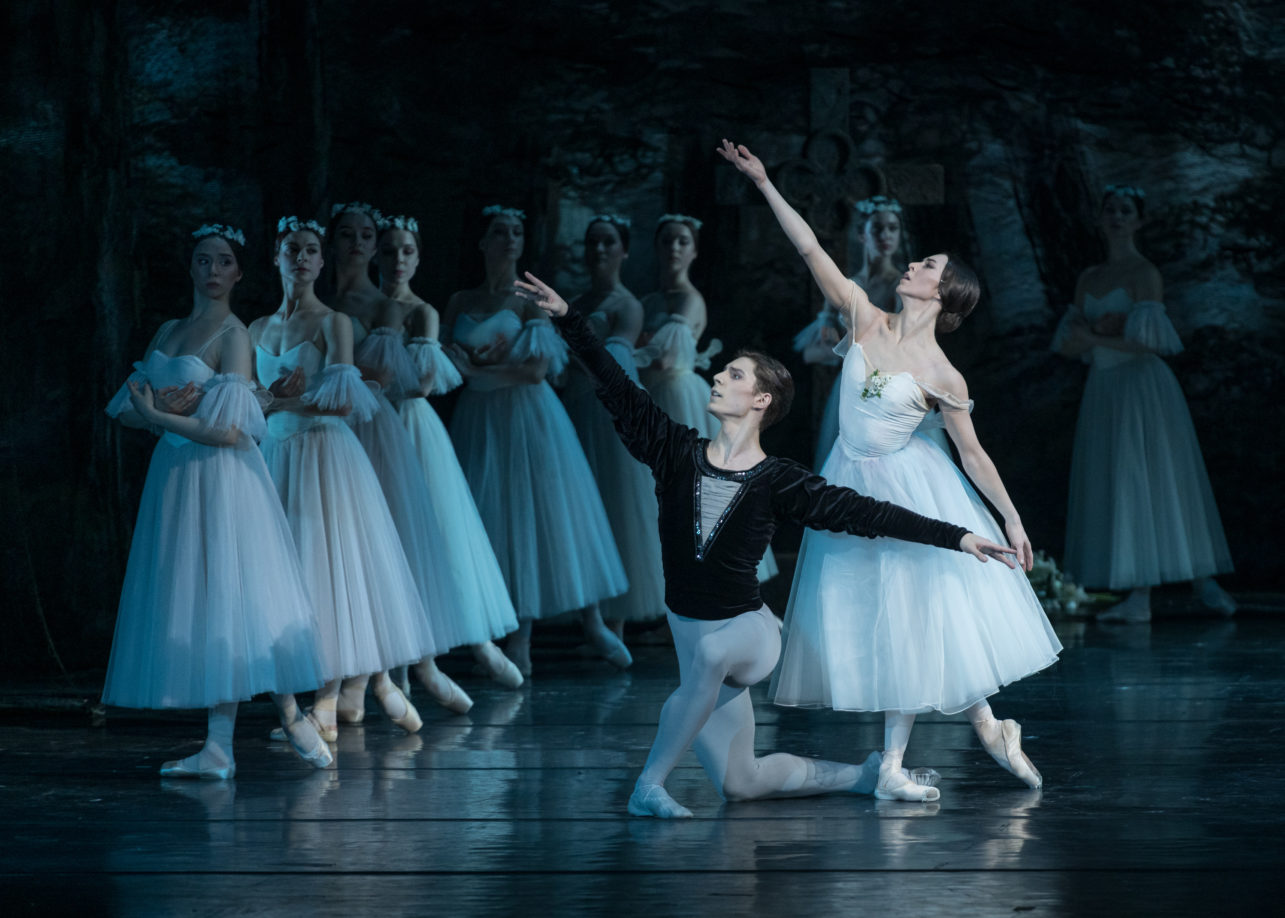
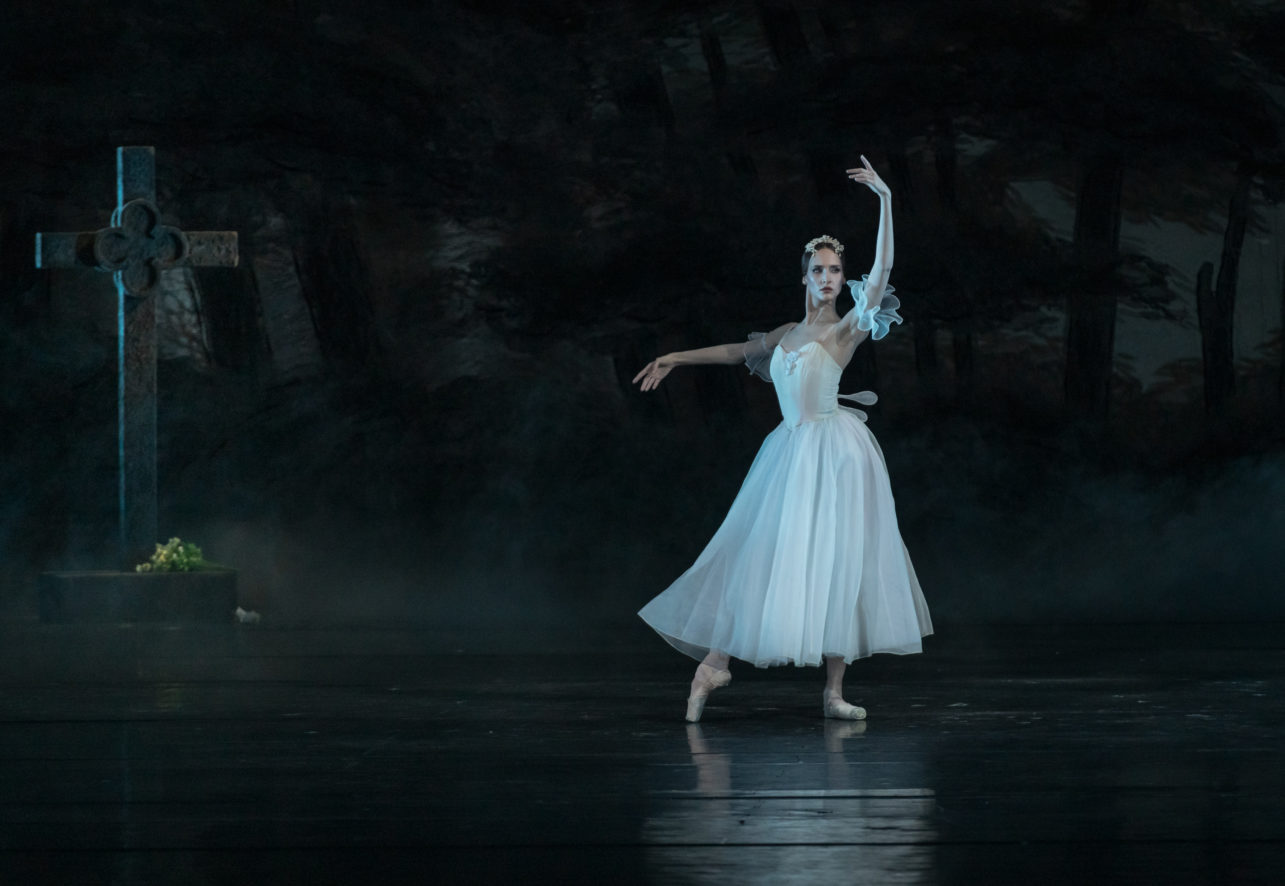
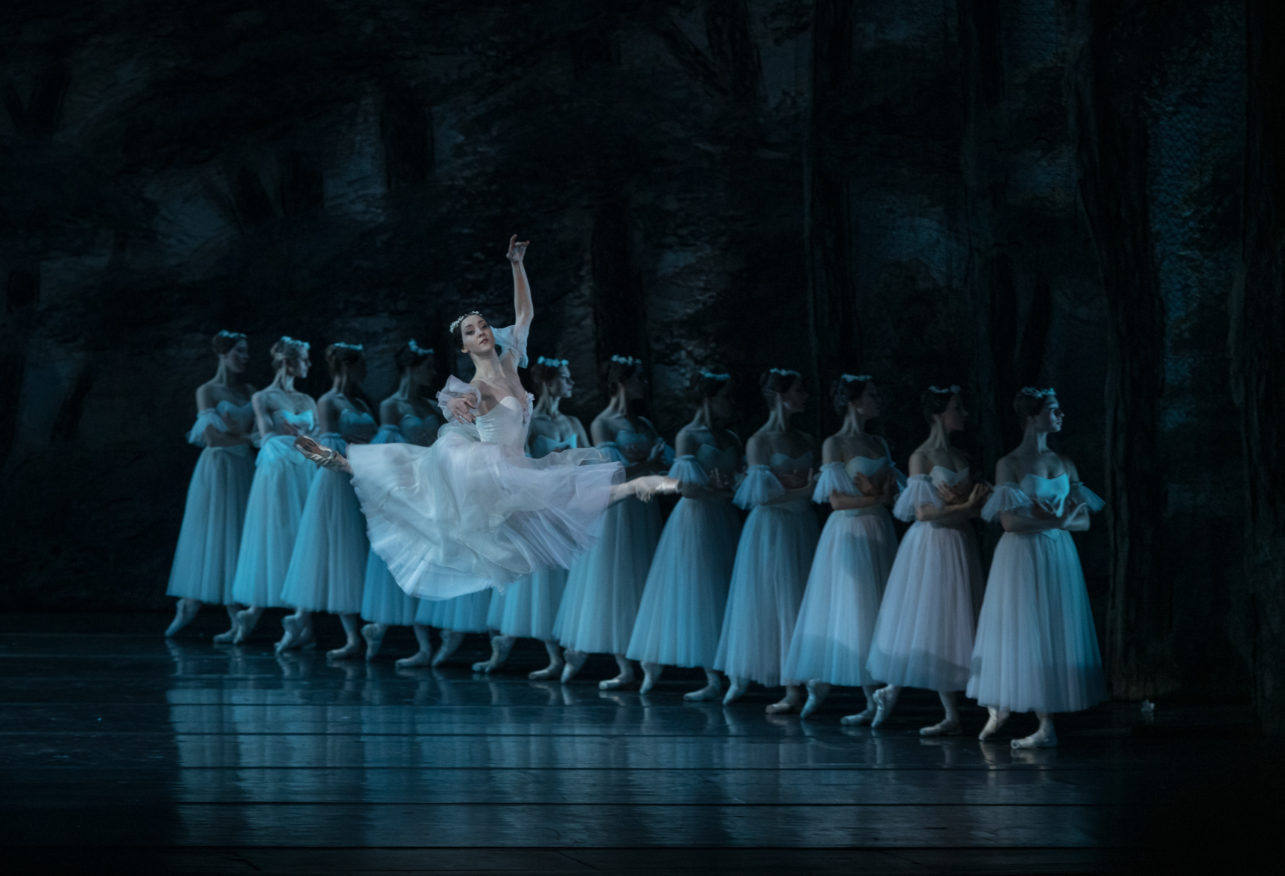
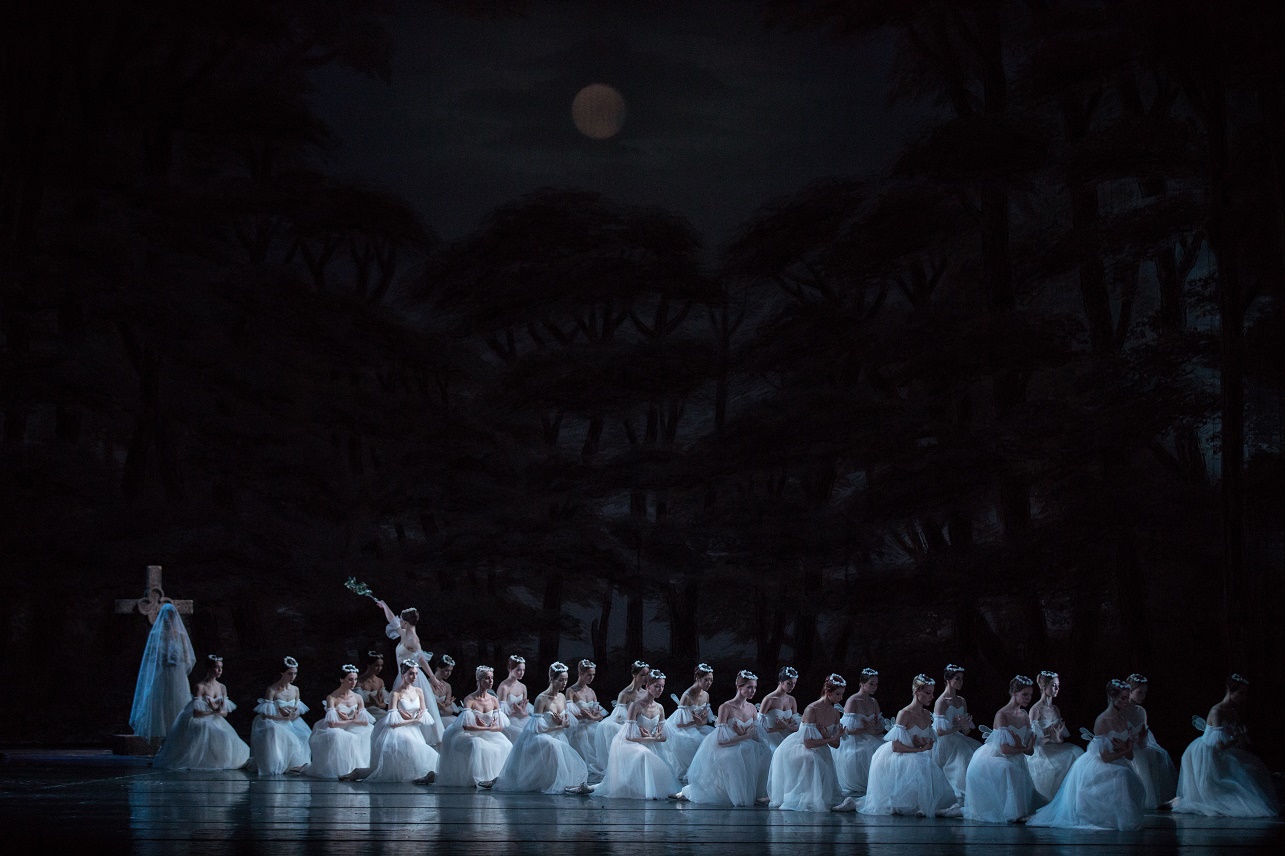
Night-time. The ghostly forms of the Wilis, died brides, appear among the graves of the village church yard which is bathed in moonlight. “Dressed in bridal gowns and garlands of flowers...The irresistibly beautiful Wilis danced to the light of the moon. And as they felt the time given them for dancing was running out and that they had again to return to their icy graves, their dancing became more and more impassioned and rapid...” (Heinrich Heine).
The Wilis catch sight of the gamekeeper who, suffering from pangs of conscience, has come to visit Giselle’s grave. At the command of Myrtha, the unrelenting Queen of the Wilis, the Wilis encircle the gamekeeper and make him dance until he drops lifeless, to the ground.
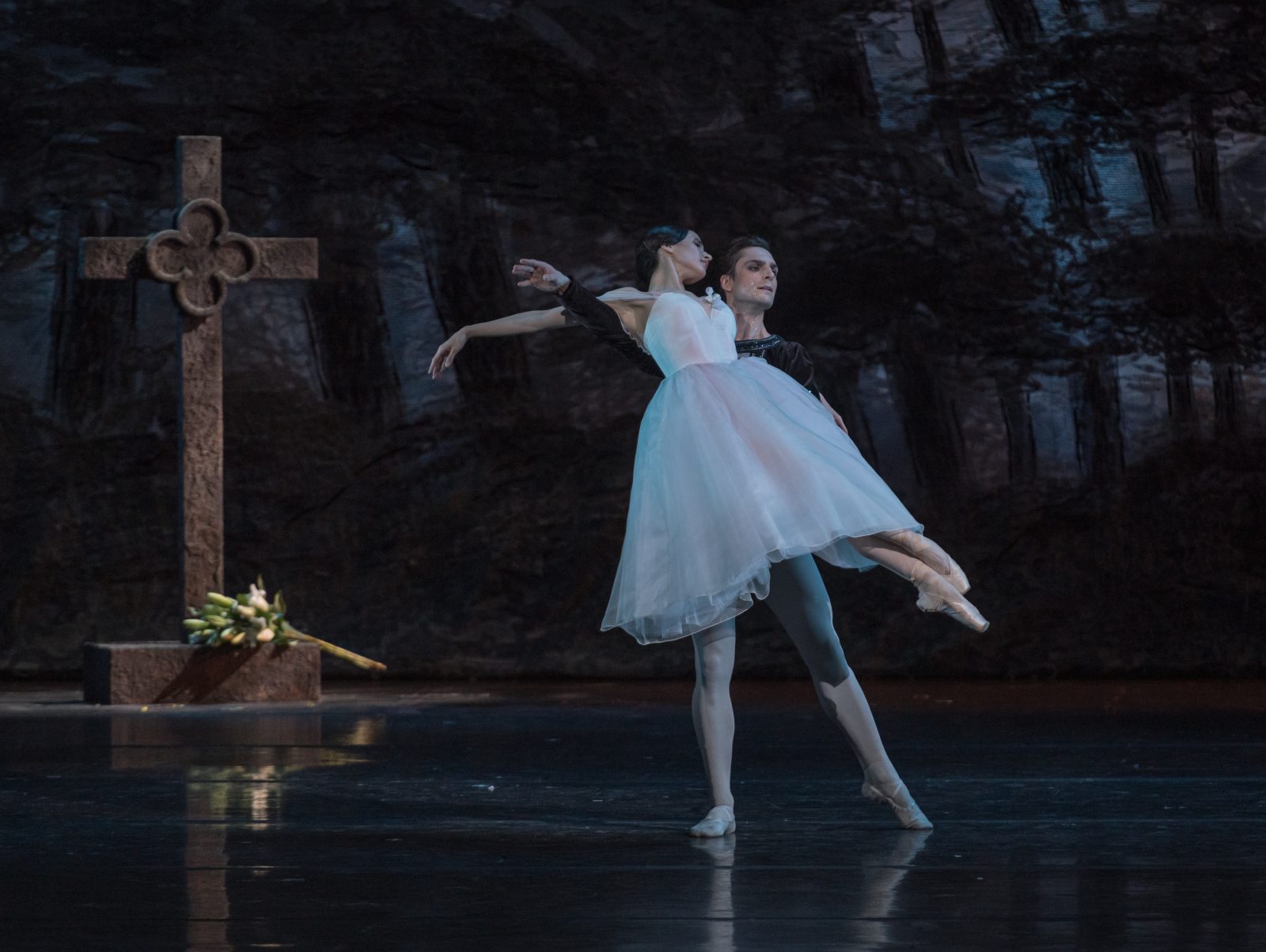
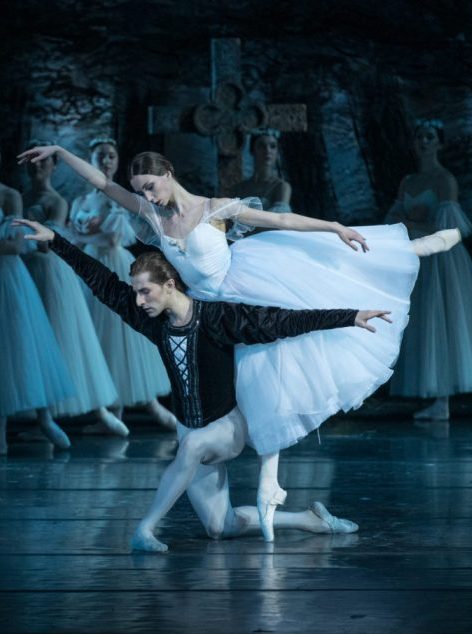
Albrecht too, is unable to forget Giselle. And, at dead of night, he comes to her grave. The Wilis immediately encircle the youth. Albrecht is now threatened by the same horrifying fate as the gamekeeper. But the shadow of Giselle now appears and her eternal and self-sacrificing love protects and saves Albrecht from the anger of the Wilis.
The ghostly, white forms of the Wilis vanish with the first rays of the rising sun. And Giselle’s ethereal shadow vanishes too, but Giselle will always be alive in Albrecht’s memory — the ever-present regret for a lost love, a love that is stronger than death.
|
Adolphe Adam "Giselle" Ballet in 2 acts
on the playbill |
Main Stage
Teatralnaya ploschad, 1 (Theatre Square, 1), Moscow, Russia
New Stage
Bol'shaya Dmitrovka Street, 4/2, Moscow, Russia
RAMT
Teatralnaya ploschad, 2 (Theatre Square, 2), Moscow, Russia
|